
You have the keys. You have the design plans. You even have the contractor on speed dial. But before anyone touches a single wall in your new condo, there is a stack of rules, approvals, and restrictions standing between you and your renovation — and ignoring them could cost you your deposit, land you in legal trouble, or bring your entire project to a halt.
Condo renovation rules in Malaysia are not just bureaucratic formalities. They exist to protect the structural integrity of the building, the comfort of your neighbours, and your own safety. The challenge is that these rules vary between buildings, and many homeowners only discover them the hard way — after the complaints start rolling in or the management office issues a stop-work notice.
This guide covers everything you need to know: who governs your renovation, what approvals you need, what you are and are not allowed to do, and how to get your project moving without headaches.
Who Is in Charge of Your Condo Renovation?
Before anything else, you need to understand the authority structure governing your building. Most condos and apartments in Malaysia fall under one of two management bodies:
Joint Management Body (JMB) — The governing body for stratified properties during the early phases of ownership, typically before a Management Corporation (MC) is formed. The JMB is responsible for managing and maintaining common areas and enforcing the Building By-Laws and House Rules.
Management Corporation (MC) — Once enough parcels have been sold and the strata title issued, the MC takes over from the JMB. It has broader powers and is governed by the Strata Management Act 2013.
For the purposes of this guide, we will use "JMB" as a general term, but the rules and processes are largely the same under an MC.
Your JMB is the first and most important checkpoint for any renovation work. Skipping this step is one of the most common — and costly — mistakes condo owners make.
Step 1: Read Your Building's House Rules Before You Do Anything
Every condominium has its own set of House Rules or By-Laws. These are specific to your development and may be more restrictive than the general guidelines set out under the Strata Management Act.
Before you even call a contractor, request a copy of the House Rules from your management office. Key things to look for include:
- Approved renovation hours (typically Monday–Saturday, 9am–5pm or similar)
- List of works that require prior written approval
- List of works that are strictly prohibited
- Contractor registration requirements
- Security deposit amounts for renovation works
- Rules on using the service lift versus the passenger lift for material delivery
Some buildings also require homeowners to submit renovation plans drawn by a registered architect or engineer for structural works. Do not assume your contractor's standard drawings will suffice.
Step 2: Understand What Requires JMB Approval
Not all renovation work is treated equally. Generally speaking, works fall into three categories:
Works That Typically Require Written JMB Approval
- Hacking of walls (including non-structural partition walls)
- Plumbing modifications or relocations
- Electrical panel (DB box) changes
- Installation of water heaters, air-conditioning units (especially external compressor placement)
- Any works affecting the building's facade, windows, or grilles
- Flooring changes (particularly the removal of tiles that can affect waterproofing)
- Installation of false ceilings that affect fire suppression or smoke detector positions
Works That Are Often Prohibited Outright
- Removal or modification of structural columns, beams, or load-bearing walls — this is a hard no without approval from a structural engineer and local authority
- Altering or blocking emergency exit routes
- Changes to gas pipe routing
- External clothesline fixtures or satellite dishes not approved by management
- Enclosing balconies in a way that changes the building's external facade
Minor Works That Usually Do Not Need Approval
- Painting (interior, non-facade)
- Wallpaper installation
- Furniture installation and joinery that does not affect building structure
- Replacing light fittings on a like-for-like basis
- Cabinet replacements that do not involve plumbing or electrical changes
If you are unsure, always ask. Submitting a written inquiry to your management office creates a paper trail that protects you.

Step 3: The Renovation Permit Process
For works that require approval, here is the typical process:
1. Submit a renovation application form — Available from your management office. You will need to include the scope of work, contractor details, and timeline.
2. Attach supporting documents — These may include contractor's registration details, a copy of your title deed, your IC, and where applicable, architectural or M&E (mechanical & electrical) drawings.
3. Pay the renovation deposit — Most developments require a refundable deposit, typically ranging from RM500 to RM2,000 or more depending on the scope of work. This is held as security against any damage to common areas.
4. Wait for written approval — Do not let your contractor begin work until you have received written confirmation. Verbal approval is not sufficient.
5. Display the renovation permit — Some buildings require the permit to be displayed at your unit door throughout the renovation period.
6. Apply for deposit refund upon completion — Once works are done, notify management for an inspection. If no damage has occurred to common areas, your deposit will be refunded.
Renovation Hours in Malaysia: What Is Legal?
Under the Strata Management (Maintenance and Management) Regulations 2015, renovation works that produce noise, dust, or vibration must be carried out within approved hours. While exact hours may vary by building, the general standard across Klang Valley condos is:
- Monday to Friday: 9:00am – 5:00pm
- Saturday: 9:00am – 1:00pm (some buildings extend to 3:00pm)
- Sunday & Public Holidays: No renovation work permitted
Works involving hacking, drilling, and heavy machinery are usually limited to the strictest hours. Some buildings impose even shorter windows — particularly those with a high proportion of shift workers or families with young children.
Violating renovation hours is one of the most common sources of neighbour disputes and management complaints. Your contractor must be briefed on these hours and held strictly accountable.
Structural Works: The Non-Negotiables
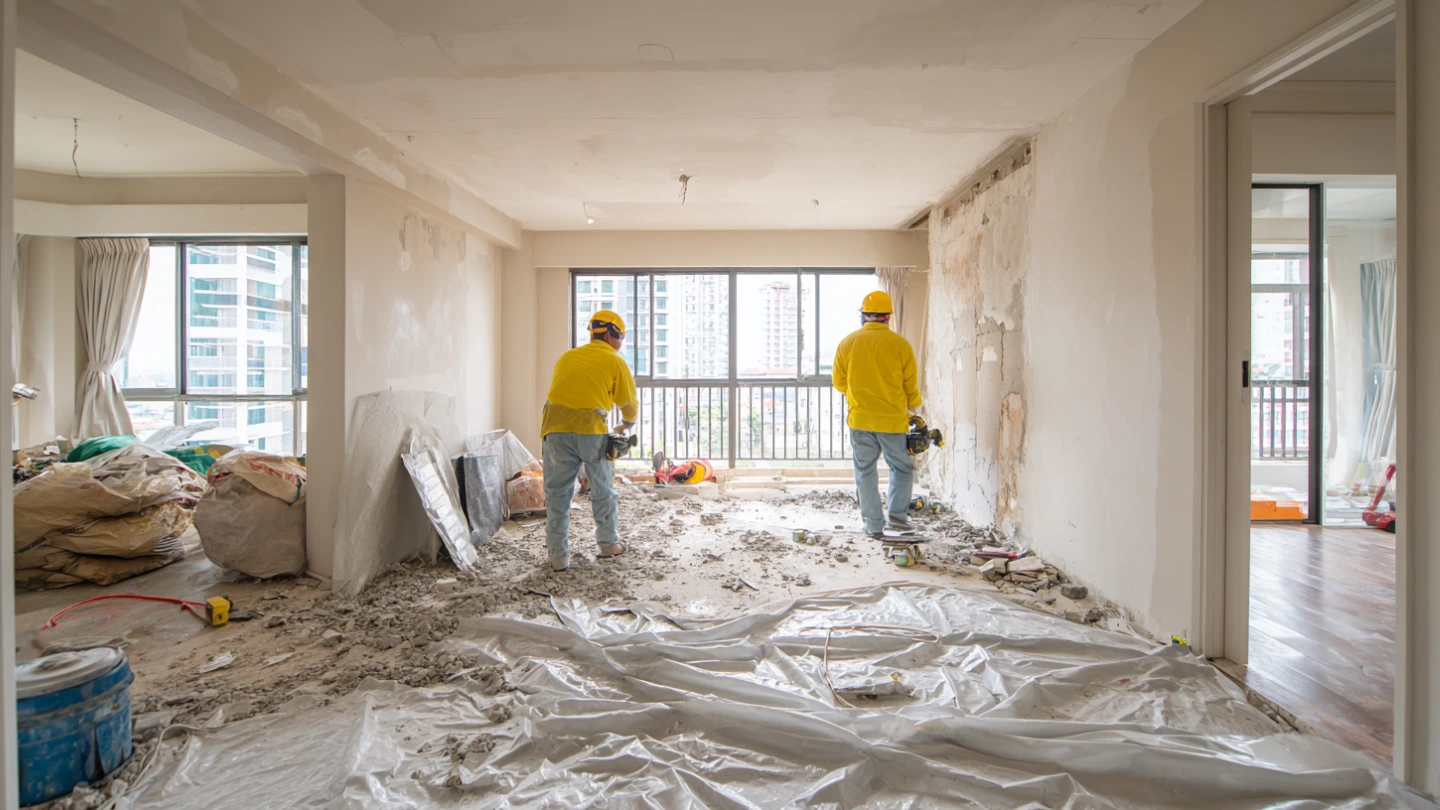
If your renovation involves any structural modifications, the rules become significantly more serious — and for good reason. Malaysia has seen incidents where unapproved structural works in high-rise buildings caused cracks, water ingress, and in extreme cases, partial collapse.
Load-bearing walls cannot be hacked without a structural engineer's approval. In a strata building, these walls are shared assets — even if they are inside your unit. Removing or weakening them affects every unit above and below.
For any structural works, you will typically need:
- A structural engineer's letter confirming the modification is safe
- Submission to Dewan Bandaraya Kuala Lumpur (DBKL) or your local authority (PBT) for a building plan amendment
- JMB written approval on top of local authority approval
This process takes time and costs money. Budget RM3,000–RM8,000 or more for a structural engineer's assessment and plan submission, depending on the complexity of the work.
Never let a contractor tell you a wall is "definitely not structural" without professional verification. If you are uncertain, engage a registered structural engineer independently before proceeding.
Wet Area Rules: Waterproofing & Plumbing
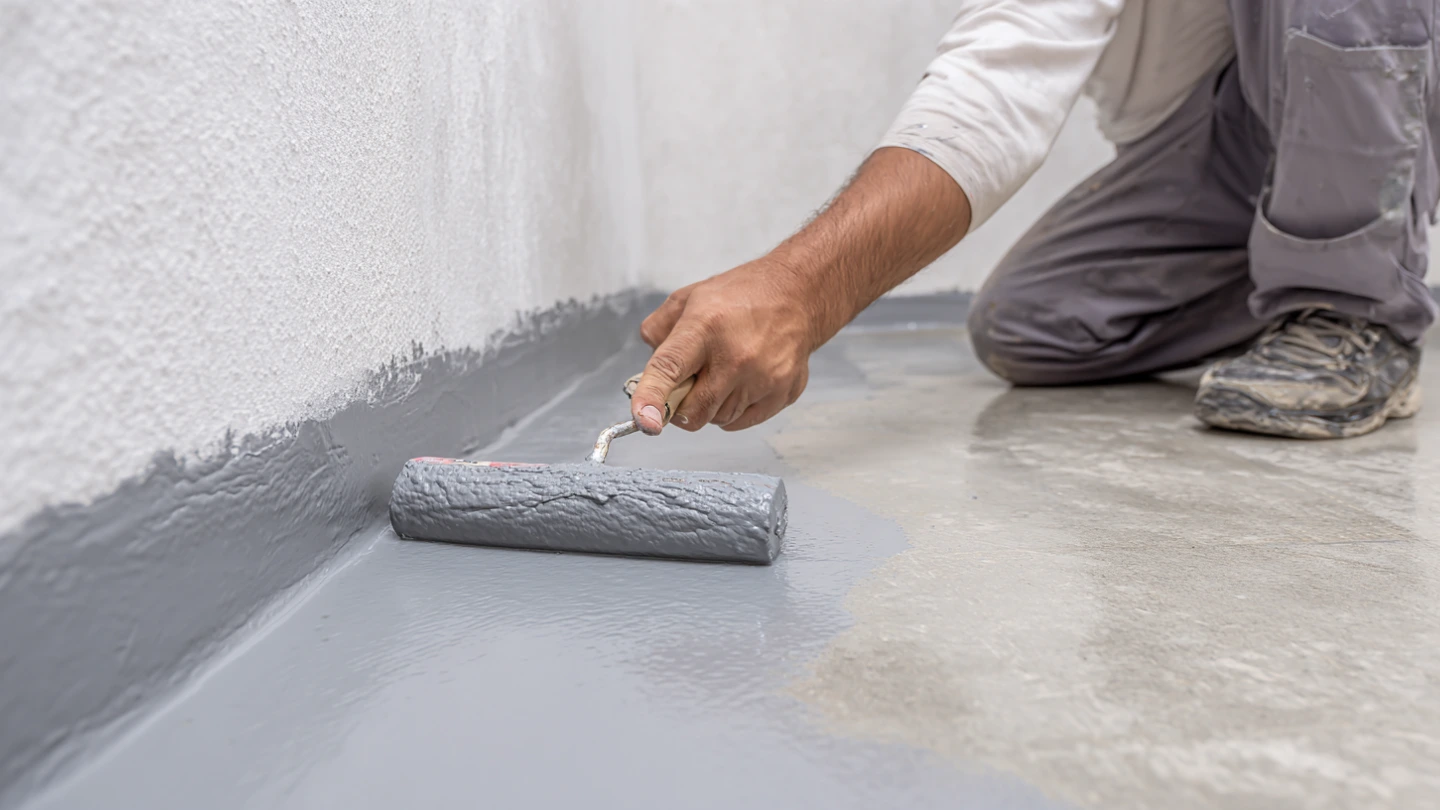
Bathrooms and wet kitchens are where renovation disputes between neighbours most frequently arise. A waterproofing failure in your bathroom can leak through to the unit below — and you will be liable for the damage.
Key rules and best practices for wet area renovation:
- Waterproofing is mandatory before any new tiling in wet areas. Most JMBs will require confirmation that waterproofing has been applied.
- Plumbing rerouting must be submitted to management, especially if it involves shared pipes or risers.
- Some buildings prohibit the removal of original bathroom tiles down to the screed layer, as this risks damaging the existing waterproofing membrane.
- Air-conditioning condensation drain pipes must be properly connected to the building's drainage system — not drained onto common areas or neighbouring units.
If you are changing your bathroom layout significantly, consider engaging a registered plumber and waterproofing specialist rather than leaving it to your general contractor.
Flooring Changes: What You Need to Know
Replacing flooring is one of the most popular renovation works in condos — and one of the most regulated.
Noise impact: High-rise buildings require flooring materials that meet a minimum acoustic performance standard. This is why many JMBs restrict the use of hard timber planks directly on concrete slabs without an acoustic underlay. Engineered timber, vinyl plank with acoustic backing, and carpeted areas are generally more acceptable in upper-floor units.
Tile hacking: If you are removing existing tiles, be aware that hacking generates significant dust and vibration. This must only be done during approved hours, and you are responsible for protecting common area corridors and the lift lobby from dust.
Transition between units: The flooring at your main door must not create a tripping hazard or water ingress risk into the corridor. Check with management on acceptable threshold transitions.
Air-Conditioning: Placement & Drainage Rules
Air-conditioning installation is almost universal in Malaysian homes, but even here, condo rules apply.
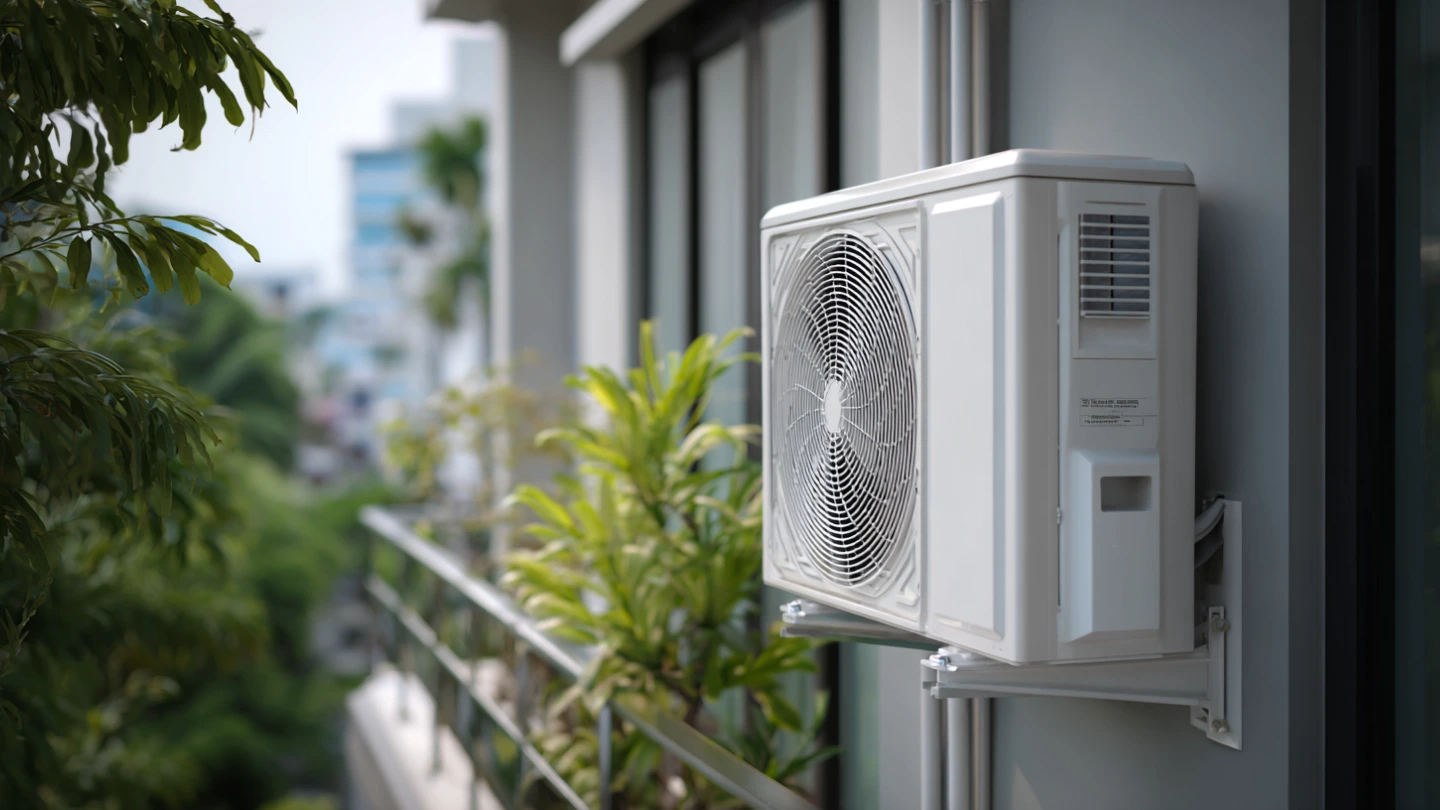
- Compressor (outdoor unit) placement must follow approved locations defined by the building developer. Placing compressors on balcony railings, window ledges, or unapproved brackets is a common violation.
- Condensation drainage must be piped to the internal drainage system, not discharged freely onto external walls or neighbouring units.
- Penetrations through external walls for piping and cabling require management approval, as they affect the building envelope.
When in doubt, consult your management office for a list of approved compressor locations before purchasing your AC units. Relocating a compressor after installation is costly and disruptive.
Common Violations and Their Consequences
Understanding the consequences of breaking renovation rules helps put the stakes in perspective:
Stop-work orders — Management has the authority to halt renovation works that violate house rules or threaten the building's safety. If your contractor begins work without approval, a stop-work order can bring everything to a standstill — sometimes mid-project.
Forfeiture of deposit — Damage to common areas, corridors, or lifts during renovation can result in partial or full forfeiture of your renovation deposit.
Reinstatement orders — If you carry out prohibited works (such as removing a structural wall without approval), management or local authorities can require you to reinstate the original condition at your own expense. This can cost significantly more than the original renovation.
Legal liability — Water leaks caused by unapproved plumbing or waterproofing failures make you legally liable to your neighbour below. This can result in civil claims for property damage.
Blacklisting of contractor — Some buildings maintain a list of contractors who have violated house rules. A blacklisted contractor cannot work in the building, which could force you to change contractors mid-project.
Tips for a Smooth, Compliant Renovation
Getting your renovation approved and completed without friction is entirely achievable with the right preparation:
Start with the management office, not the contractor. Get the House Rules, application forms, and list of approved contractor requirements before you even finalise your design.
Choose a contractor familiar with condo renovations. Contractors who regularly work in high-rise buildings understand permit processes, material handling restrictions, and how to keep neighbours onside. Vetting your contractor carefully before signing any contract is one of the most important decisions you will make.
Build approval time into your timeline. JMB approvals typically take 5–14 working days. Factor this into your project schedule so your contractor is not sitting idle waiting for the green light.
Communicate with your immediate neighbours. Informing the units directly above, below, and beside you about the renovation timeline and scope goes a long way. It reduces complaints and creates goodwill. A simple note under the door is enough.
Keep records of everything. Save your approval letters, receipts for deposits, and written communications with management. If a dispute arises, documentation is your best protection.
Schedule a final walkthrough with management. Before claiming your deposit back, request a joint inspection of common areas with the management team. This prevents disputes over who caused what damage.

What Happens If Your Building Has No Active JMB?
Some older developments or smaller apartment blocks may not have an active JMB or MC. In this case, renovation rules may still apply under the Strata Management Act 2013, and the Commissioner of Buildings (COB) under your local authority has oversight.
If your building has a developer still acting as property manager, they step into the JMB role. If there is truly no management body in place, you are still bound by local authority by-laws regarding construction noise, working hours, and structural works.
Do not interpret the absence of a management body as a blank cheque for unrestricted renovation. The legal framework still applies, and your neighbours still have rights.
A Quick Summary: Condo Renovation Rules Checklist
Before your renovation begins, run through this checklist:
- Obtained and read the building's House Rules / By-Laws
- Identified all works requiring written JMB approval
- Submitted renovation application with required documents
- Paid renovation deposit to management office
- Received written approval (not just verbal)
- Briefed contractor on approved working hours
- Confirmed compressor placement with management
- Waterproofing plans reviewed for wet areas
- Structural works (if any) reviewed by a registered structural engineer
- Notified immediate neighbours of renovation timeline
Ready to Start Your Condo Renovation the Right Way?
Navigating condo renovation rules does not have to be stressful. With the right preparation and a contractor who understands the process, you can renovate confidently — without risking your deposit, your neighbour relationships, or your investment.
At Reka Interior, we handle the paperwork, the JMB coordination, and the project management so you can focus on making design decisions. If you are planning a condo renovation in Kuala Lumpur or Selangor, get in touch for a free consultation and let us take the complexity off your plate.