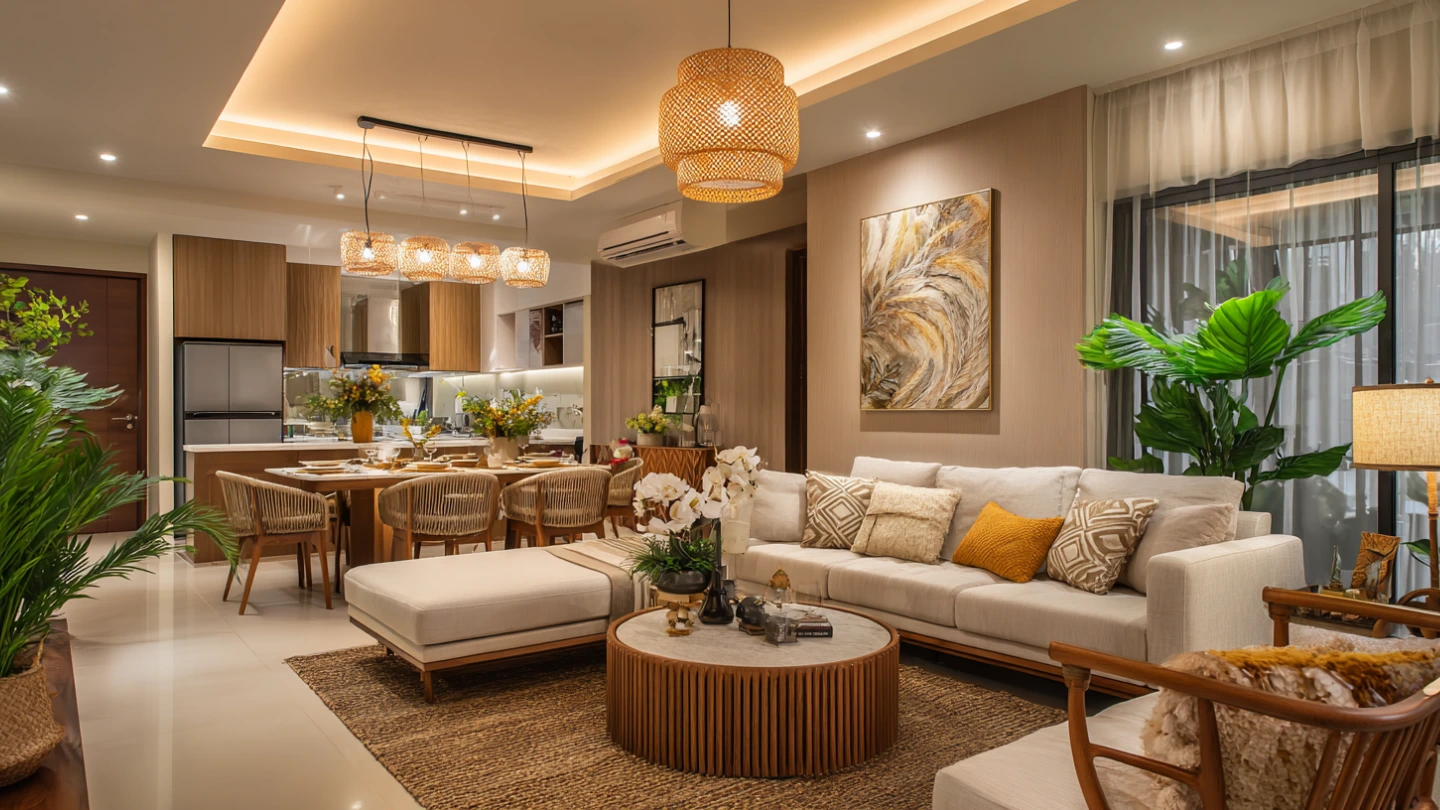
Most Malaysian homeowners spend months agonising over tile choices, cabinet finishes, and furniture layouts. Then, at the very end of the renovation, lighting gets picked in five minutes at a hardware shop in Chow Kit or ordered in bulk off Shopee.
Six months later, you're sitting in a room that looks flat, feels clinical, or — worst of all — makes your skin look like you're under fluorescent hospital lights. The renovation is beautiful on paper, but the lighting is killing the vibe.
Here's the truth: lighting is the single most powerful tool in interior design, and it's the most commonly misunderstood. The fixtures you choose and the colour temperature you select will transform a space more dramatically than almost any other finish — and it costs far less to get right than to redo.
This guide covers everything you need to know: warm vs cool light, downlights vs pendants, how to layer your lighting, and what to expect to pay in Malaysia in 2026.
Why Lighting Matters More Than You Think
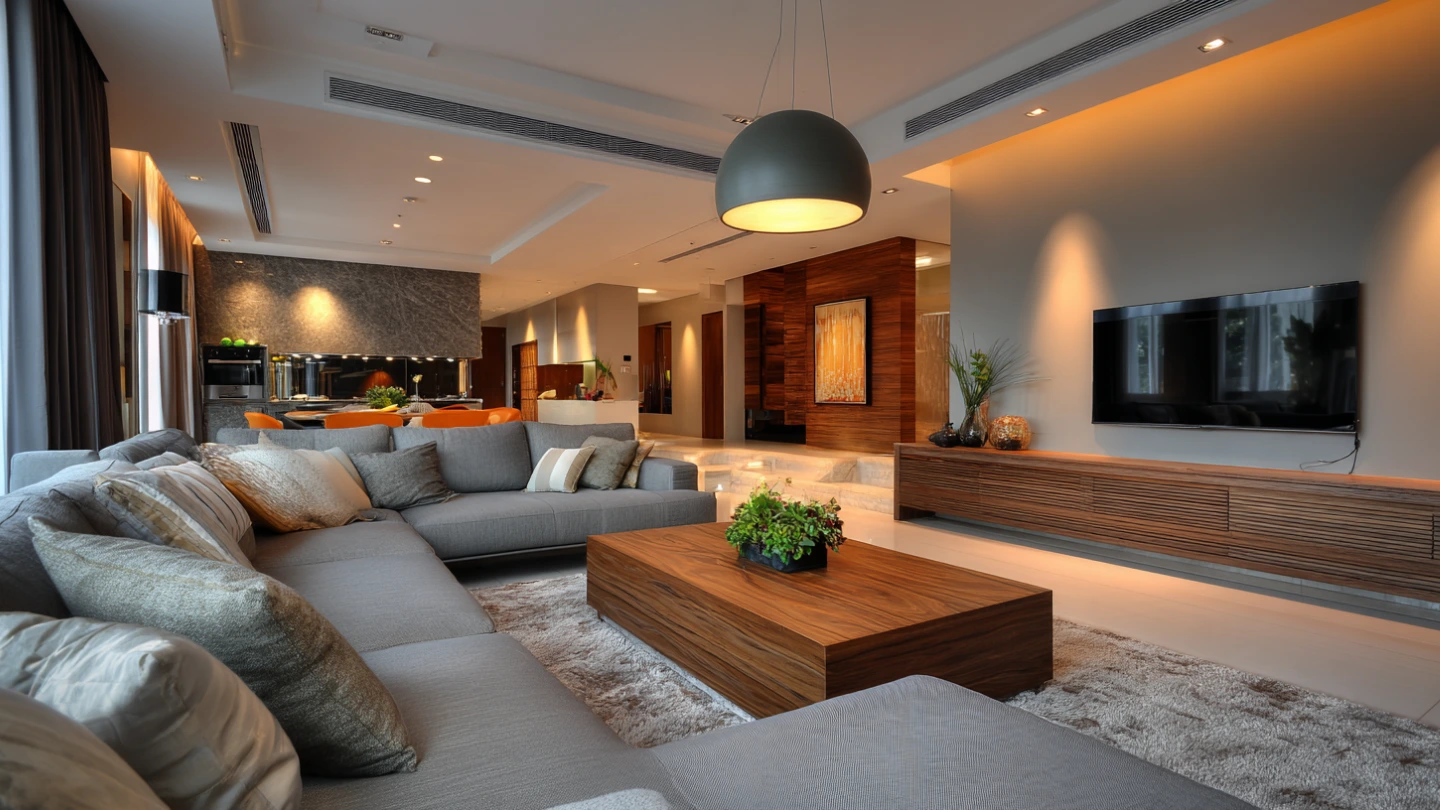
In most Malaysian condos and apartments, natural light is a luxury. Units face the wrong direction, corridors block windows, or the building next door sits just two metres away. That means your artificial lighting isn't just decorative — it's doing the heavy lifting for how your home looks and feels 24 hours a day.
Poor lighting creates three common problems in Malaysian homes:
- Flat, shadowless rooms — when every surface is equally lit, spaces look uninspired and two-dimensional
- Wrong mood for the wrong room — cool white light in a bedroom feels like an office; warm light in a study makes you drowsy
- Unflattering skin tones — harsh cool lighting in living areas makes social spaces feel cold and unwelcoming
Get lighting right, and even a modest 700 sq ft condo in Petaling Jaya can feel like a curated boutique hotel.
Understanding Colour Temperature: Warm vs Cool
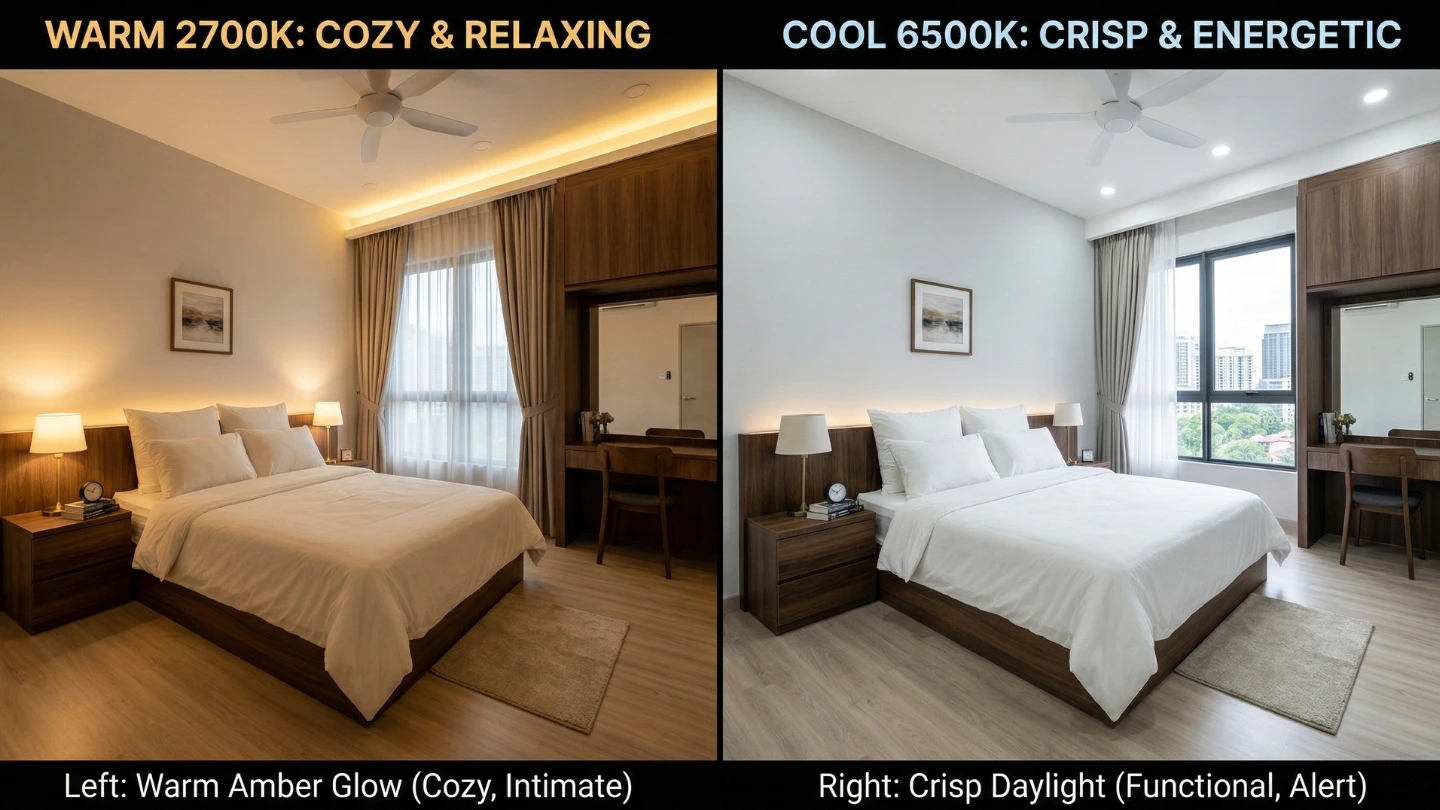
Colour temperature is measured in Kelvin (K). The lower the number, the warmer and more amber the light. The higher the number, the cooler and more blue-white the light.
There are three main zones to understand:
Warm White (2700K – 3000K)
This is the golden, amber-toned light you associate with candlelight, hotel lobbies, and cosy restaurants. It's flattering, relaxing, and perfect for spaces where you want to unwind.
Best for: Living rooms, master bedrooms, dining areas, reading nooks
Not ideal for: Kitchens (makes it harder to assess food colour), bathrooms (can make the space feel dingy if it's small), home offices
Neutral White (3500K – 4000K)
Often called "natural white," this is a balanced, clean light that feels bright without being harsh. It's the most versatile range and works in almost any room.
Best for: Kitchens, bathrooms, multi-purpose rooms, corridors, children's bedrooms
Not ideal for: Spaces where you want a very warm, atmospheric feel
Cool White / Daylight (5000K – 6500K)
This is the crisp, blue-white light commonly found in offices, retail shops, and fluorescent tubes. It promotes alertness and visibility, but can feel sterile in residential settings.
Best for: Home offices, garages, utility rooms, wet kitchens, areas where you need maximum visual clarity
Not ideal for: Living rooms, bedrooms, dining areas, or any space where comfort and atmosphere matter
The Malaysian Climate Factor
Here's something worth considering: Malaysia's tropical climate means most of our homes are already bathed in intensely bright, blue-white natural daylight. This is why warm white lighting feels so welcoming in the evenings — it creates a contrast from the harsh outdoor glare and signals to your body that it's time to wind down.
Many Malaysian homeowners make the mistake of choosing 6500K throughout their home because it "looks brighter." In reality, all it does is make your home feel like a showroom rather than a sanctuary. Save the cool white for functional zones and let warm or neutral tones do the work everywhere else.
Fixture Types: What's the Difference?
Once you've sorted out colour temperature, the next decision is the type of fixture. Each serves a different purpose, creates a different visual effect, and sits at a different price point.
Downlights (Recessed Spotlights)
Downlights are installed flush into the ceiling, directing light downward in a focused beam. They're the workhorse of modern Malaysian interior design — clean, minimal, and versatile.
Types of downlights:
- Fixed downlights — Point straight down, ideal for general ambient lighting
- Adjustable/gimbal downlights — Can be tilted to highlight artwork, feature walls, or specific areas
- Wide-angle downlights — Spread light over a larger area, good for general illumination
- Narrow-angle downlights — Create focused pools of light for accent purposes
Best for: General ceiling lighting throughout the home, kitchens, bathrooms, corridors, and bedrooms where a clean ceiling line is preferred
Cost in Malaysia: RM25–RM120 per unit (LED), installation RM15–RM30 per point (excluding wiring works)
Pros: Clean aesthetic, low maintenance, no dust traps, works well with false ceilings
Cons: Fixed once installed, not a statement piece, requires false ceiling or sufficient plaster ceiling depth
Pendant Lights
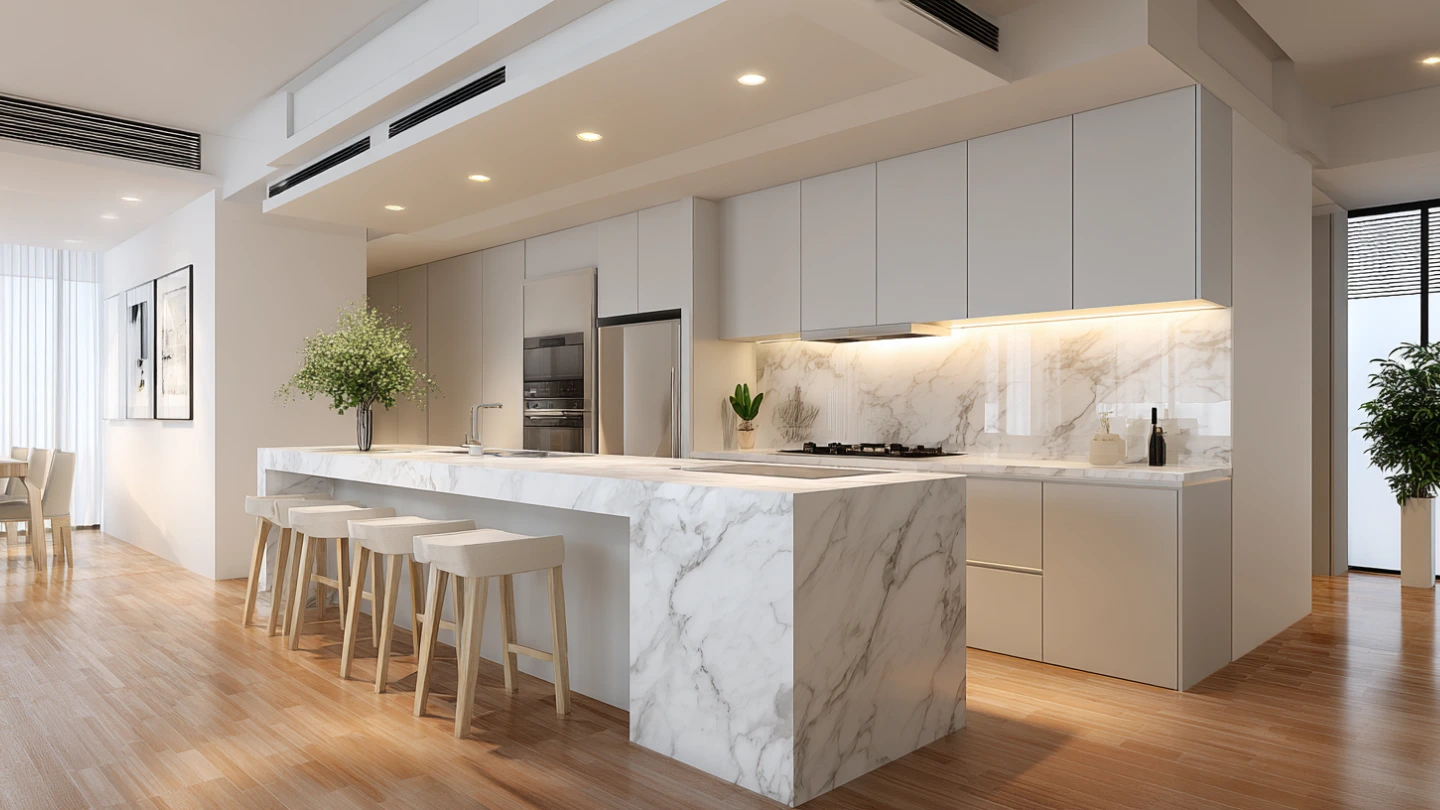
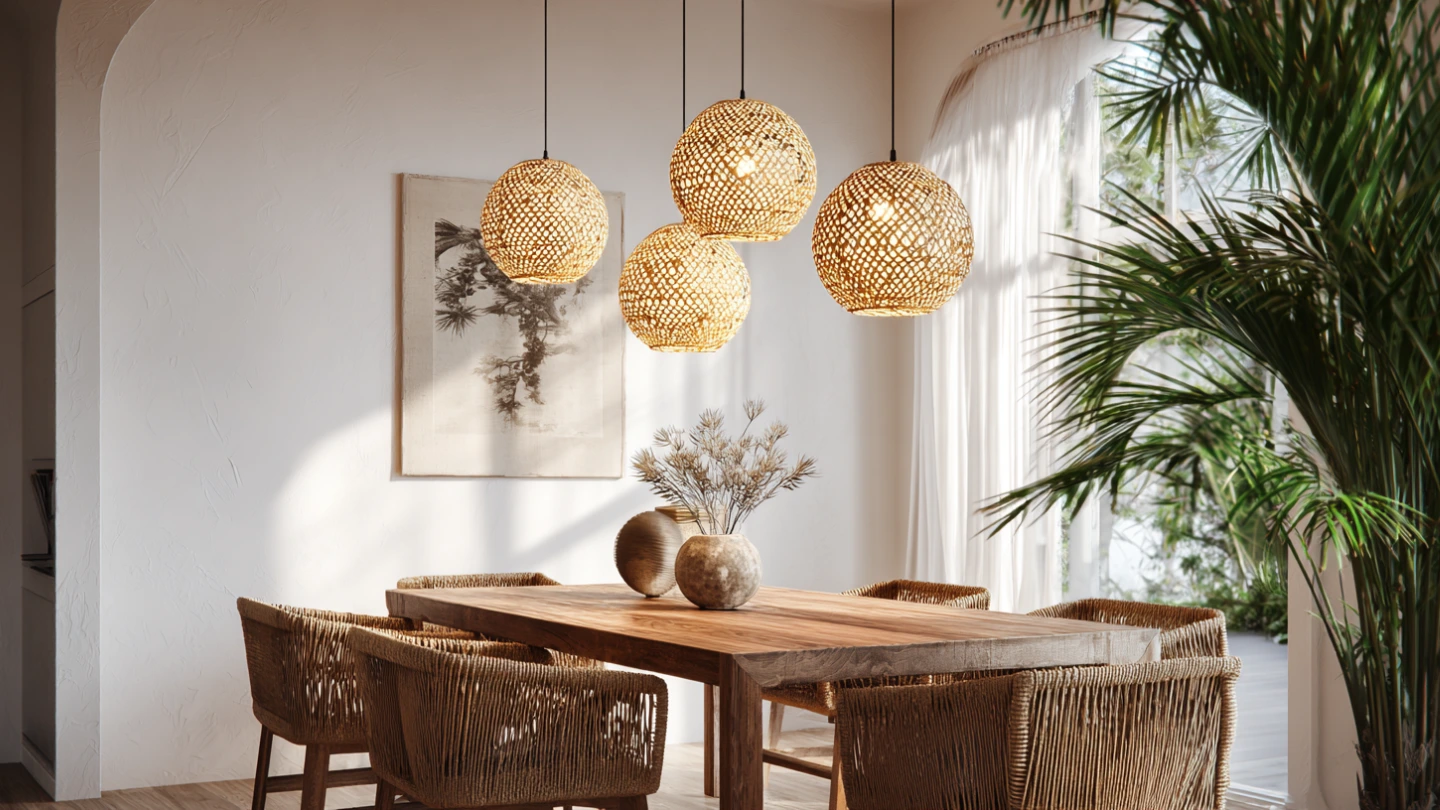
Pendant lights hang from the ceiling on a cord, cable, or rod. They're statement pieces — they define zones, add personality, and create focal points that downlights simply cannot.
Types of pendant lights:
- Single large pendant — One dramatic fixture, best over a dining table or kitchen island
- Cluster pendants — Multiple smaller pendants grouped together at varying heights, creates a dynamic, layered look
- Linear pendants — Long horizontal fixtures, ideal for rectangular dining tables
- Globe pendants — Round glass or rattan spheres, popular in Malaysian tropical-modern and Japandi interiors
Best for: Dining tables, kitchen islands, entryways, bedside lighting (hung in pairs), reading nooks
Cost in Malaysia: RM80–RM1,500+ per unit depending on design, brand, and material. Budget glass pendants start around RM80–RM200; designer pieces from international brands can exceed RM1,000 per unit.
Pros: Strong design statement, creates intimate zones, available in a huge range of styles
Cons: Requires proper ceiling height (minimum 2.7m recommended for dining pendants), needs precise placement, harder to reposition once wired
Strip Lights (LED Tape)
LED strip lights are flexible tape-like lights installed in concealed channels — behind coving, under floating shelves, inside cabinet kick boards, or behind TV consoles. They add depth and drama without being visible as a fixture.
Best for: Feature wall cove lighting, under-cabinet kitchen lighting, TV console backlighting, staircase lighting, bathroom mirror backlighting
Cost in Malaysia: RM30–RM120 per metre (LED strip), aluminium extrusion channel RM15–RM40 per metre
Pro tip: Always pair strip lights with an aluminium extrusion channel and a diffuser cover. Without it, the individual LED dots are visible and look cheap. With a channel, the light appears as a clean, smooth line.
Wall Lights (Sconces)
Wall-mounted fixtures that add layers of light at mid-height — filling the gap between ceiling lights and floor level. Underused in Malaysian homes, but incredibly effective at creating warmth and dimension.
Best for: Bedrooms (bedside reading), living room accent lighting, bathroom vanity areas, entryways
Cost in Malaysia: RM80–RM600+ per unit
The Right Fixture for Each Room
Living Room
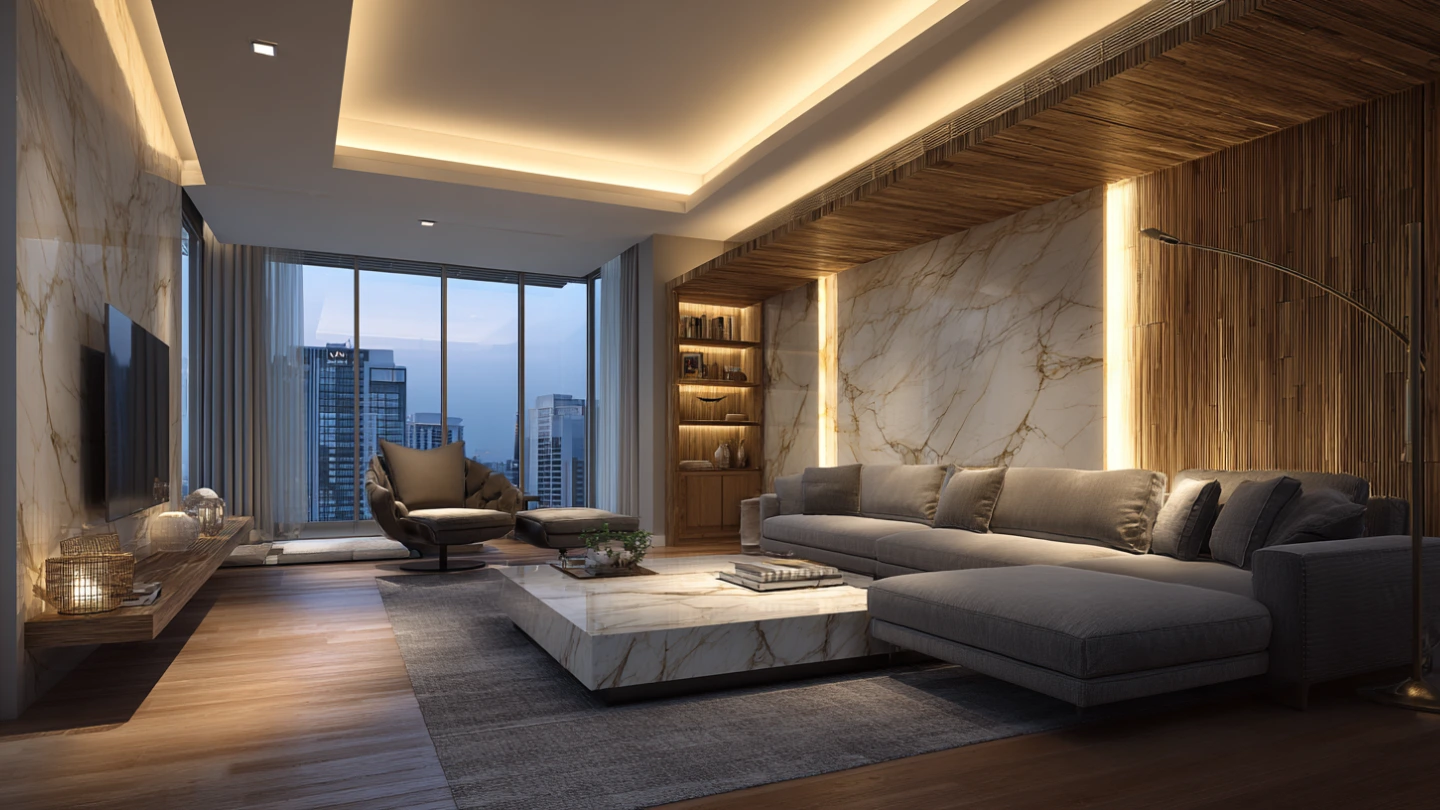
The living room benefits most from layered lighting — a combination of ambient (downlights), accent (strip lights or wall lights), and statement (pendant or floor lamp).
A good starting formula for a typical Malaysian condo living room:
- Ceiling: 4–6 warm white downlights (3000K) for general ambient light
- Feature wall: LED strip lights behind coving or accent downlights to highlight texture
- Coffee table zone: A pendant or floor lamp for a conversational focal point
Dining Room / Dining Area
This is where a pendant light earns its place. Hang it 75–85cm above the table surface, centred over the table. Use warm white (2700K–3000K) to make food look appetising and the atmosphere inviting.
Avoid: Ceiling fans with integrated lights directly over the dining table — the spinning blades create a strobing effect when you're seated below.
Kitchen (Dry and Wet)
Dry kitchen: Neutral white (3500K–4000K) downlights for clarity, with warm under-cabinet strip lights for ambiance when cooking. A pendant over the island if ceiling height allows.
Wet kitchen: Cool white or neutral white (4000K–5000K) for maximum visibility and food safety. Fully waterproof fittings are essential in the wet area.
Bedroom
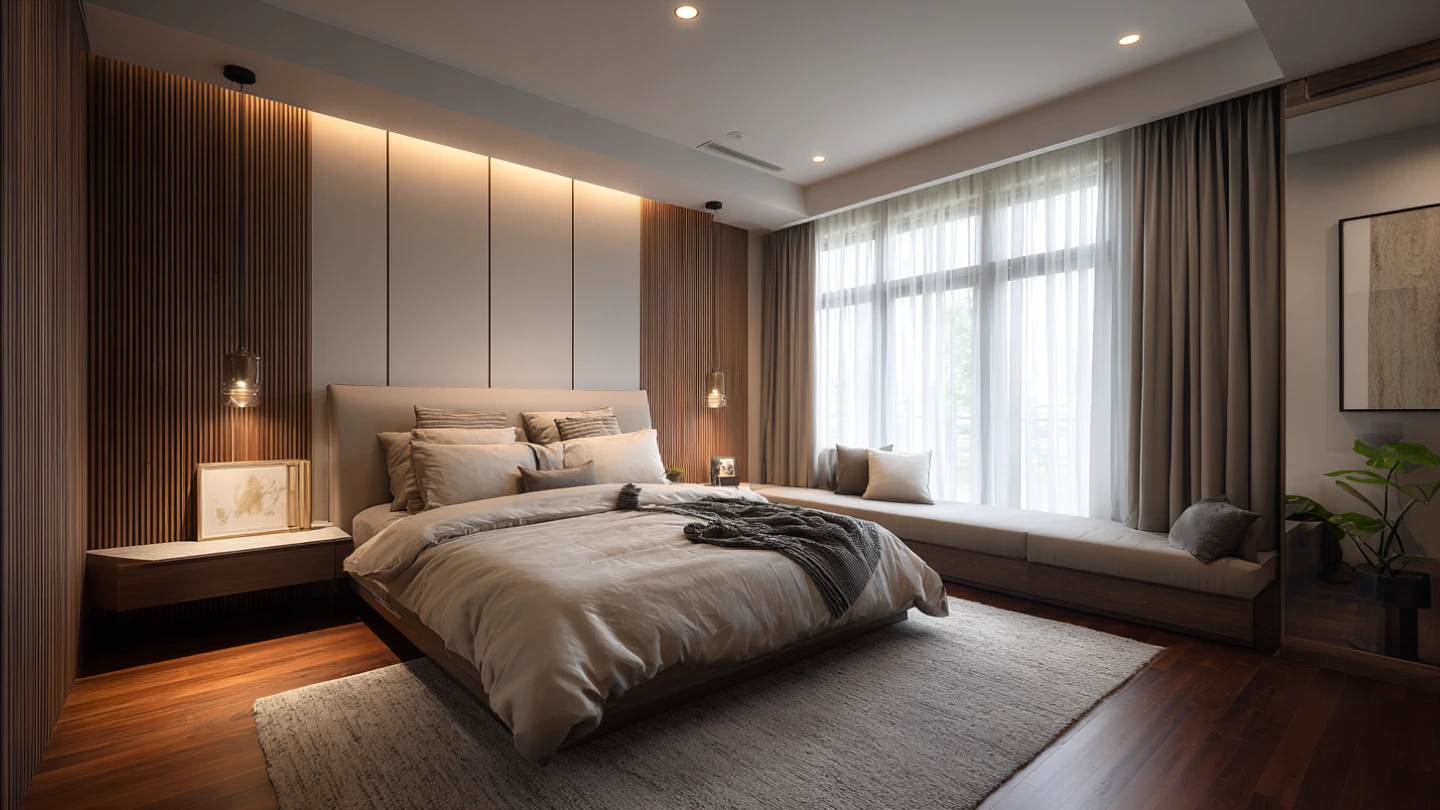
Warm white (2700K–3000K) throughout. Avoid a single centre downlight — it creates harsh shadows on the bed. Instead, use:
- Recessed downlights around the perimeter (not centred)
- Wall lights or pendant lights as bedside reading lights
- LED strip inside wardrobe (cool white 4000K for colour accuracy when selecting clothes)
Bathroom
Neutral white (3500K–4000K) works best. Pair overhead downlights with side-lit vanity lighting (lights at face height on either side of the mirror) for even, shadow-free illumination when grooming. Top-only lighting creates unflattering shadows under the eyes.
How to Layer Your Lighting
Professional interior designers don't think in terms of "one light per room." They layer lighting across three levels:
- Ambient (General) Lighting — The base layer that lights the whole room. Downlights, ceiling fixtures, or surface-mounted panels.
- Task Lighting — Focused light for specific activities. Under-cabinet kitchen lights, desk lamps, bathroom vanity lights.
- Accent Lighting — Decorative or directional light that adds drama and depth. Pendants, wall sconces, strip lights, spotlights on artwork.
A room with only ambient lighting looks flat and uninspiring. Add task and accent layers, and suddenly the same space has depth, warmth, and character.
What Does Home Lighting Cost in Malaysia?
Here's a realistic budget guide for a standard Malaysian condo unit (3 bedrooms, approximately 900–1,100 sq ft):
| Lighting Zone | Fixtures | Estimated Cost (RM) |
|---|---|---|
| Living room downlights (6 units) | LED recessed | RM300–RM600 |
| Living room pendant or floor lamp | 1 statement piece | RM150–RM800 |
| Dining pendant (1–3 units) | Glass or rattan | RM200–RM1,200 |
| Kitchen downlights + under-cabinet strips | LED | RM250–RM500 |
| Master bedroom lighting | Downlights + 2 bedside pendants | RM300–RM700 |
| 2nd & 3rd bedroom lighting | Downlights only | RM150–RM350 |
| Bathrooms (2–3 bathrooms) | Downlights + vanity | RM300–RM700 |
| Corridor & utility | Basic downlights | RM100–RM250 |
| Wiring & installation (per lighting point) | Electrician | RM30–RM60 per point |
| Total (fixtures + installation) | RM2,500–RM7,500 |
Note: Premium designer fixtures, smart lighting systems (e.g., Philips Hue), or extensive false ceiling works will push costs higher. A full smart lighting setup with dimmer switches and app control can add RM3,000–RM10,000+ to your budget.
5 Lighting Mistakes Malaysian Homeowners Make
1. Using 6500K cool white everywhere It's cheap, it's bright, but it makes your home feel like a 7-Eleven. Reserve cool white for wet kitchens and utility spaces only.
2. One centre light per room A single ceiling fixture directly above the middle of the room creates flat, unattractive light with deep shadows. Distribute lighting across the space instead.
3. Ignoring ceiling height for pendants A large pendant in a room with a 2.4m ceiling will feel oppressive. The general rule: pendant lights work best in spaces with at least 2.7m of ceiling height.
4. Not planning lighting before renovation Lighting points need to be wired before your false ceiling goes up. If you decide you want a pendant over your dining table after the ceiling is plastered, you're looking at hacking and replastering costs. Plan your lighting layout before works begin.
5. Mixing different colour temperatures in the same room Warm white downlights paired with cool white strip lights in the same space creates a jarring visual disconnect. Stick to one colour temperature per zone.

Smart Lighting: Is It Worth It in Malaysia?
Smart lighting systems — where you control brightness, colour temperature, and on/off via an app or voice command — are increasingly popular in Malaysian condos. Systems like Philips Hue, Lutron, or local alternatives through platforms like Tuya allow you to:
- Dim lights without a traditional dimmer switch (great for condos where adding dimmers requires rewiring)
- Schedule lights to turn on/off automatically
- Change colour temperature throughout the day — warm in the evenings, neutral in the morning
- Control everything from your phone — useful if you're frequently away
Entry-level smart bulbs start from RM80–RM150 per bulb. A full smart lighting ecosystem for a 3-bedroom condo typically costs RM2,000–RM6,000 depending on brand and scope.
For most Malaysian homeowners, a practical middle ground is installing dimmer switches with dimmable LED downlights. This alone — at a cost of RM80–RM150 per switch point — transforms the versatility of any room without the full smart-home commitment.
Quick Reference: Room-by-Room Lighting Guide
| Room | Colour Temp | Primary Fixture | Accent/Task |
|---|---|---|---|
| Living room | 2700K–3000K | Downlights | Pendant, strip cove, floor lamp |
| Dining area | 2700K–3000K | Pendant over table | Strip under cabinet |
| Dry kitchen | 3500K–4000K | Downlights | Under-cabinet strips, island pendant |
| Wet kitchen | 4000K–5000K | Downlights | — |
| Master bedroom | 2700K–3000K | Perimeter downlights | Bedside pendants or wall sconces |
| Other bedrooms | 3000K–4000K | Downlights | Desk lamp |
| Bathroom | 3500K–4000K | Downlights | Side vanity lights |
| Home office | 4000K–5000K | Downlights | Desk lamp |
| Corridor | 3000K–4000K | Downlights | — |
Final Thoughts
Lighting is not the last thing you should think about — it's the final layer that makes every other decision in your renovation look its best. A beautifully tiled bathroom still feels wrong under the wrong light. A modest living room can feel like a premium retreat with the right warm layering.
The most important steps: decide on your colour temperatures before your electrician starts wiring, plan your pendant positions before your false ceiling is plastered, and invest in at least three layers of light in your main living spaces.
If you'd like expert guidance on planning the lighting for your renovation — from the wiring stage through to fixture selection — our design consultants are happy to help.
Ready to get your lighting right from the start? Get in touch with our team for a free consultation and let's plan your home lighting together.