
Let’s be honest: in the current Malaysian renovation market, RM15,000 is a tight budget. If you walk into most kitchen showrooms in PJ or Puchong today, you might be told that this sum barely covers the appliances and a basic quartz worktop.
But it is possible to achieve a robust, high-end feel within this bracket if you are disciplined with your material choices. The secret isn't finding "cheaper" contractors—that often leads to shoddy workmanship that falls apart after six months of heavy sambal frying. The secret is knowing where to downgrade the material specification without sacrificing the visual impact or structural integrity.
Here is how we advise our clients at Reka Interior to allocate that RM15k intelligently.
1. The Cabinet Finish: Melamine with ABS Edging
Drop the idea of spray-painted Nyatoh wood or 4G glass doors if you are strictly capping costs at RM15k. Those finishes are labour-intensive.
Instead, look for high-quality Melamine with ABS edging. Ten years ago, melamine looked plasticky. Today, Malaysian suppliers offer textured melamine that feels remarkably close to wood veneer or has a sophisticated, super-matte touch.
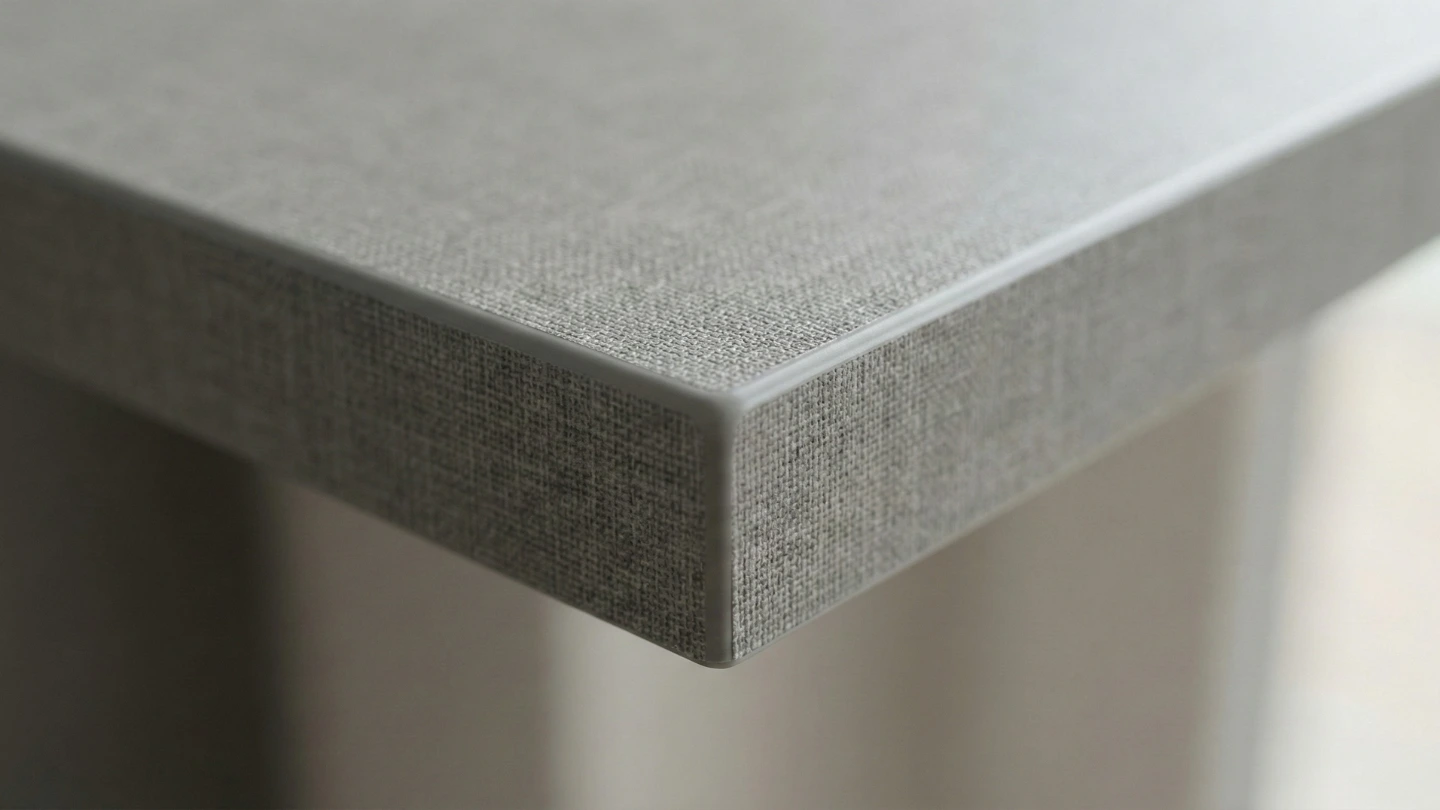
The Swap: Choose a "textile" or "stone" effect laminate for your base cabinets. It hides fingerprints and oil splatters much better than a high-gloss solid colour.
The Tactile Detail: Ensure your carpenter uses 1mm or 2mm ABS edging (the strip on the side of the door). Standard edging is thin and sharp; thicker edging is rounded off, feeling smoother to the touch and less likely to peel in our humid weather.
2. The Worktop: High-Pressure Laminate (HPL) vs. Entry-Level Quartz
The worktop usually eats up 30-40% of the budget. If you want a stone feel, you will have to compromise on the cabinetry size.
However, if you do heavy cooking (lots of turmeric, dark soy sauce), a high-quality HPL top is actually a sensible survivor. Unlike cheap "postform" tops from the 90s, modern HPL comes in square-edged profiles that mimic the chunky look of concrete or slab stone. They are water-resistant and easy to wipe down.
Consultant’s Note: If you absolutely must have stone, ask for "entry-level quartz" (often locally sourced or from China) rather than branded surfaces like Caesarstone. Stick to darker grains; cheaper white quartz can stain yellow over time if exposed to direct sunlight or curry spills.
3. The "Sink Unit" Strategy
In a tropical climate, the cabinet directly under the sink is the first to rot. Leaks happen, and condensation from cold pipes in a non-air-conditioned kitchen creates moisture.
Standard chipboards will swell and invite termites here.
The Smart Spend: Pay the extra RM200-RM400 to have just the sink carcass made of aluminium or PVC foam board. It is completely waterproof. You can keep the standard melamine doors on the front so it matches the rest of the kitchen, but the internal skeleton will survive a leak.
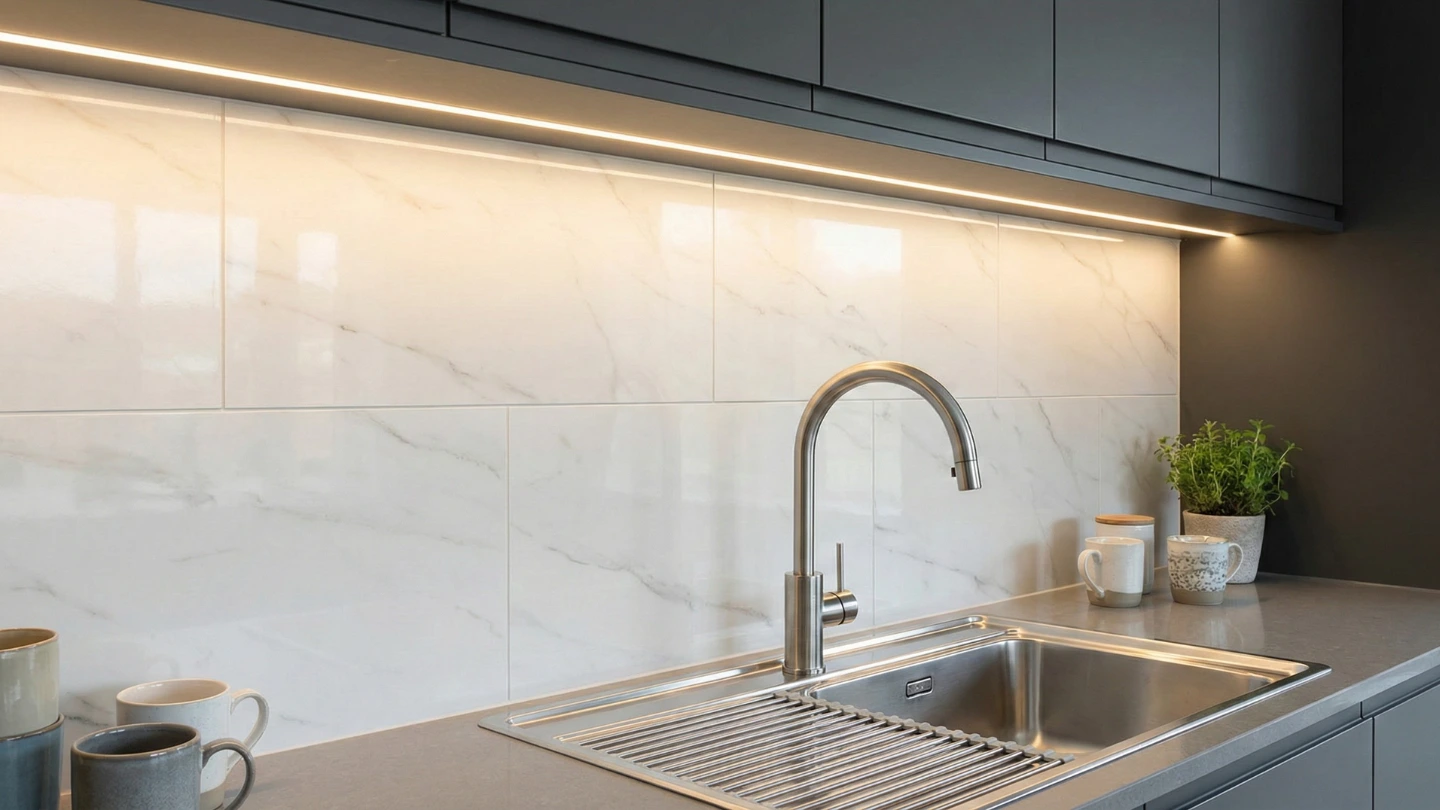
4. Backsplash: Large Format Tiles over Glass
Glass backsplashes are popular in KL condos, but they are costly and require precise installation (and often cannot be cut once tempered).
To save money without losing style, use large-format porcelain tiles (600mm x 600mm or larger). This minimises grout lines—which is crucial for maintenance. Grout is porous and absorbs grease. By using large tiles, you get a clean, architectural look that feels much more expensive than small subway tiles, which are labour-intensive to lay.
💡 Designer Pro-Tip: The "Soft-Close" Compromise
Hardware adds up fast. A full set of Blum hinges and runners can cost thousands. Here is the compromise:
Use branded heavy-duty soft-close runners (like Blum or Hettich) for your pot drawers only, as these carry heavy loads. For standard swing doors that are rarely opened (like the one above the fridge), ask your carpenter for standard local soft-close hinges. You won't feel the difference in daily use, but your wallet will.
Is your renovation timeline approaching the 3-month mark?
Balancing the budget between the wet and dry kitchen can be a headache, especially with strata management restrictions. If you want to see how these materials feel in person before committing, contact us or WhatsApp us. We can help you check if your material board matches your vision.