
Discover how to blend Japanese minimalism and Scandinavian warmth in your Malaysian home — with practical tips, local supplier picks, and RM budget breakdowns.
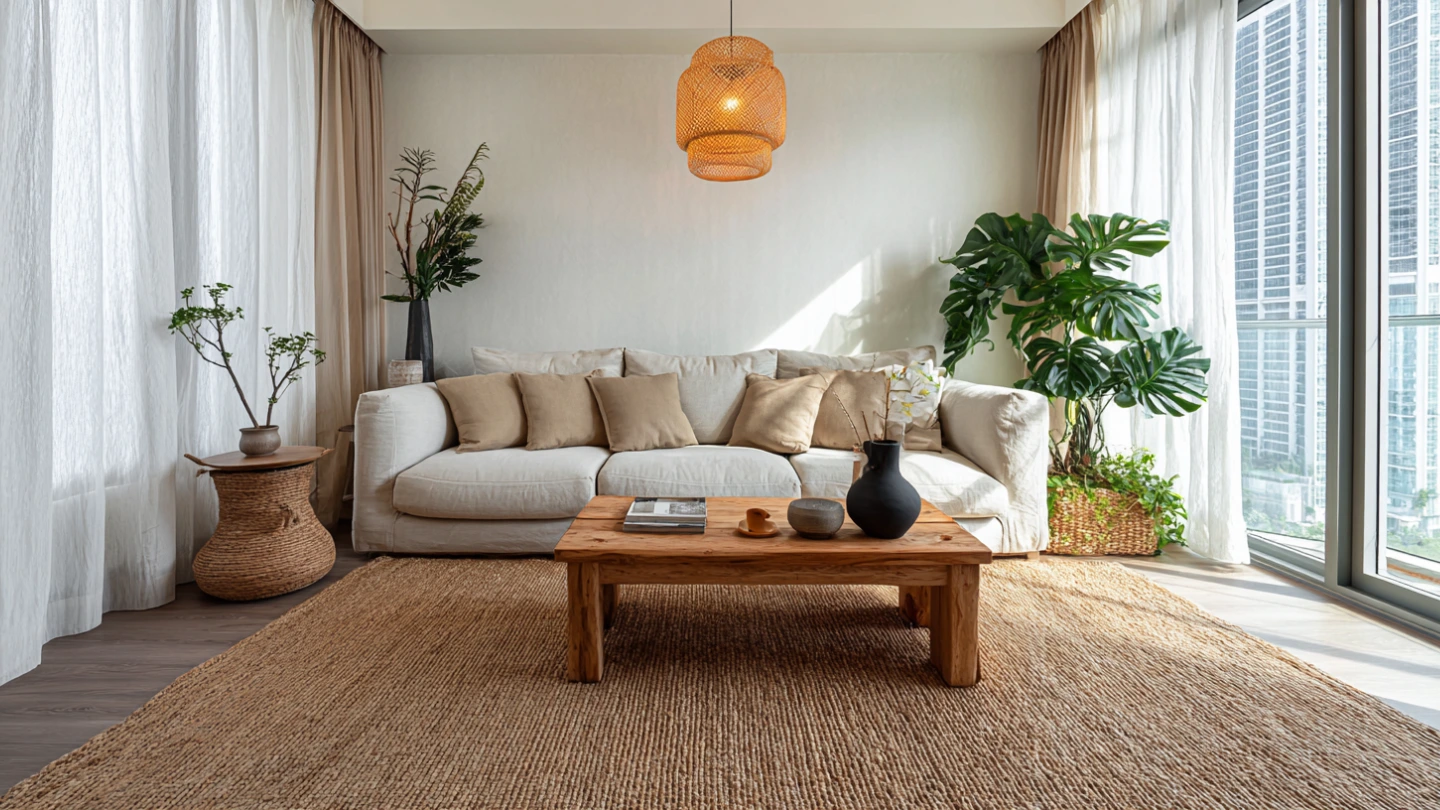
You've seen it on Pinterest. You've saved it on Instagram. That perfectly calm, clutter-free living room with warm wood tones, a handful of intentional objects, and a colour palette that somehow makes you breathe slower just looking at it.
That's Japandi — and it's one of the most searched interior design styles in Malaysia right now.
The catch? Many Malaysian homeowners assume it's an expensive look to pull off. Walk into a high-end showroom and you might believe it. But here's the truth: Japandi is actually one of the most budget-friendly design philosophies you can adopt — because its entire foundation is less stuff, done better.
This guide breaks down exactly how to achieve a Japandi-inspired home in Malaysia without overspending. Whether you're renovating a Klang Valley condo, a Selangor terrace house, or simply refreshing your rental with zero renovation work, there's a practical path forward.
What Is Japandi — And Why Does It Work So Well in Malaysia?
Japandi is a design fusion of Japanese wabi-sabi (the beauty of imperfection and simplicity) and Scandinavian hygge (cosiness, warmth, and functional living). The result is a style that is:
- Minimal but warm — not cold or sterile
- Functional first — every piece earns its place
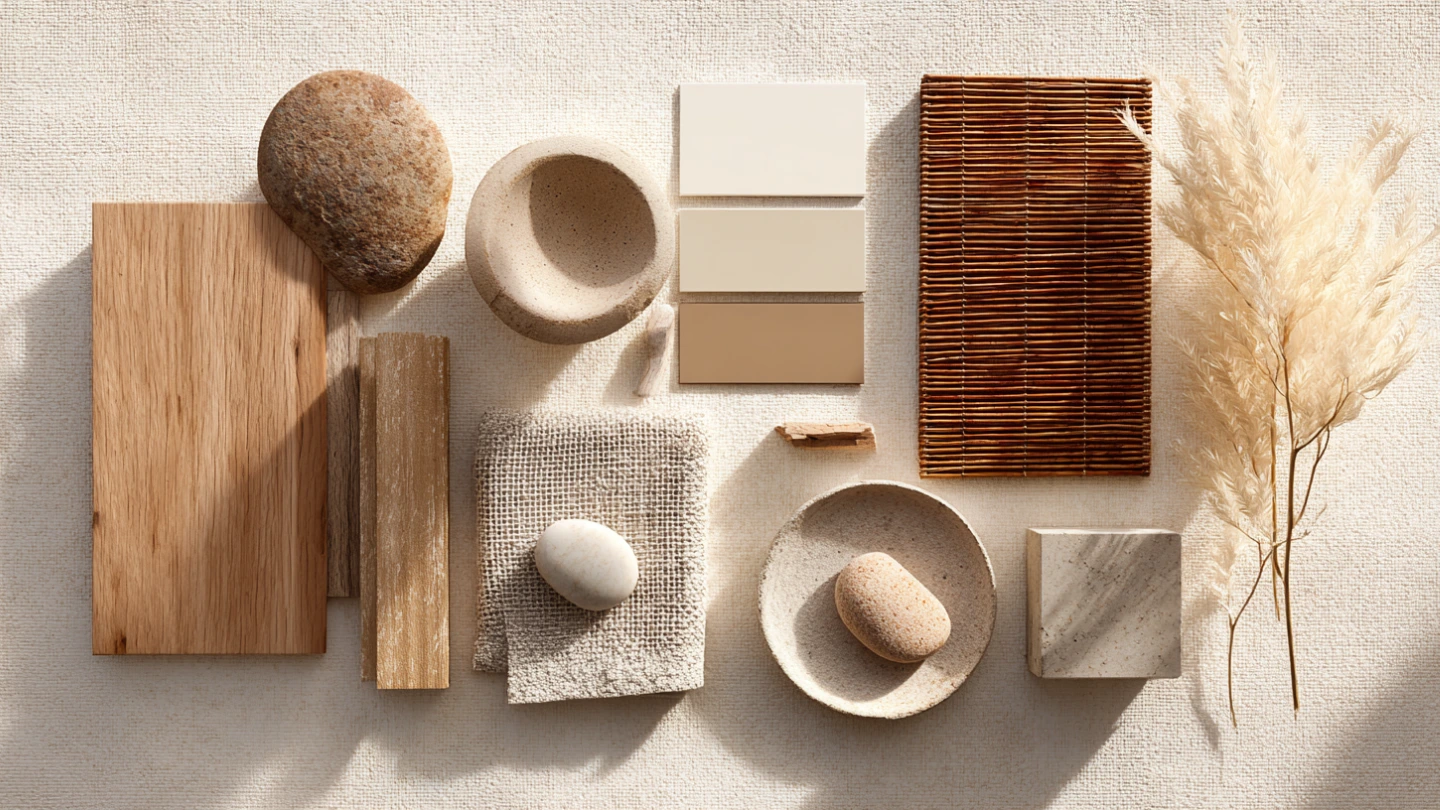
- Nature-forward — natural materials like wood, rattan, linen, and stone
- Neutral in palette — warm whites, muted greiges, soft sage, charcoal, and earthy tones
For Malaysian homes, Japandi is a near-perfect fit for several reasons.
Our homes — particularly condos and apartments in KL and Petaling Jaya — tend to skew smaller. Japandi's emphasis on decluttering and purposeful furniture naturally makes small spaces feel larger and more breathable. The style also handles tropical humidity well when you choose the right materials: solid timber, rattan, and ceramic hold up better in our climate than upholstered pieces packed with detail.
Culturally, there's alignment too. Japanese and Malay design traditions share a deep respect for natural materials, understated elegance, and spaces that feel restorative rather than showy.
The Core Principles of Japandi (That Also Keep Costs Down)
Understanding Japandi's philosophy is your single biggest cost-saving tool. The more deeply you internalise these principles, the less you'll be tempted to overspend.
1. Buy Less, Buy Better
Japandi spaces feel expensive because every object is deliberate. A single quality ceramic vase on an uncluttered console table reads as luxurious. Ten cheap decorative items on the same console reads as clutter.
This means your Japandi renovation budget should prioritise fewer, better pieces over quantity. Spend RM 800 on one beautifully crafted timber side table rather than RM 400 on three mediocre ones. You'll spend less overall and achieve a more refined result.
2. Negative Space Is Not Wasted Space
Many Malaysian homeowners feel compelled to fill every surface and wall. Japandi actively resists this. Empty wall space, an uncluttered dining table, a shelf with breathing room — these are design choices, not oversights.
Embracing negative space costs nothing. In fact, it saves money by reducing the number of items you need to purchase.
3. Imperfection Has Value
Wabi-sabi means you don't need everything to be perfect or matching. Slightly mismatched ceramic mugs, a linen cushion with natural texture variations, a timber coffee table with visible grain — these are features, not flaws. You don't need to buy premium uniform pieces; you need to choose pieces that feel authentic.
Step-by-Step: How to Achieve Japandi on a Malaysian Budget
Step 1: Start With a Japandi Colour Palette
The fastest, most affordable transformation you can make is paint. Japandi palettes are built on warm neutrals — and Malaysian paint brands offer excellent options at accessible prices.
Recommended Japandi colour directions:
- Warm white: A creamy off-white (avoid stark, cool whites) for walls — creates light without harshness
- Warm greige: A grey-beige hybrid for feature walls — grounding without being heavy
- Charcoal or deep forest green: For a single accent wall or cabinet colour
- Muted sage or dusty terracotta: For textiles and soft furnishings
Local paint recommendations:
- Nippon Paint — Momento Matt and the Naturale collection offer excellent warm neutrals
- Dulux — Heritage palette includes many Japandi-appropriate tones
- Jotun — Lady Ambiance range is popular for its refined, muted colour options
Approximate cost: A 5-litre tin of premium emulsion paint costs between RM 80–RM 150. Painting a standard 3-bedroom condo yourself (or with minimal labour help) typically falls in the RM 500–RM 1,500 range depending on whether you DIY or hire.
Step 2: Choose the Right Furniture — Without Overpaying
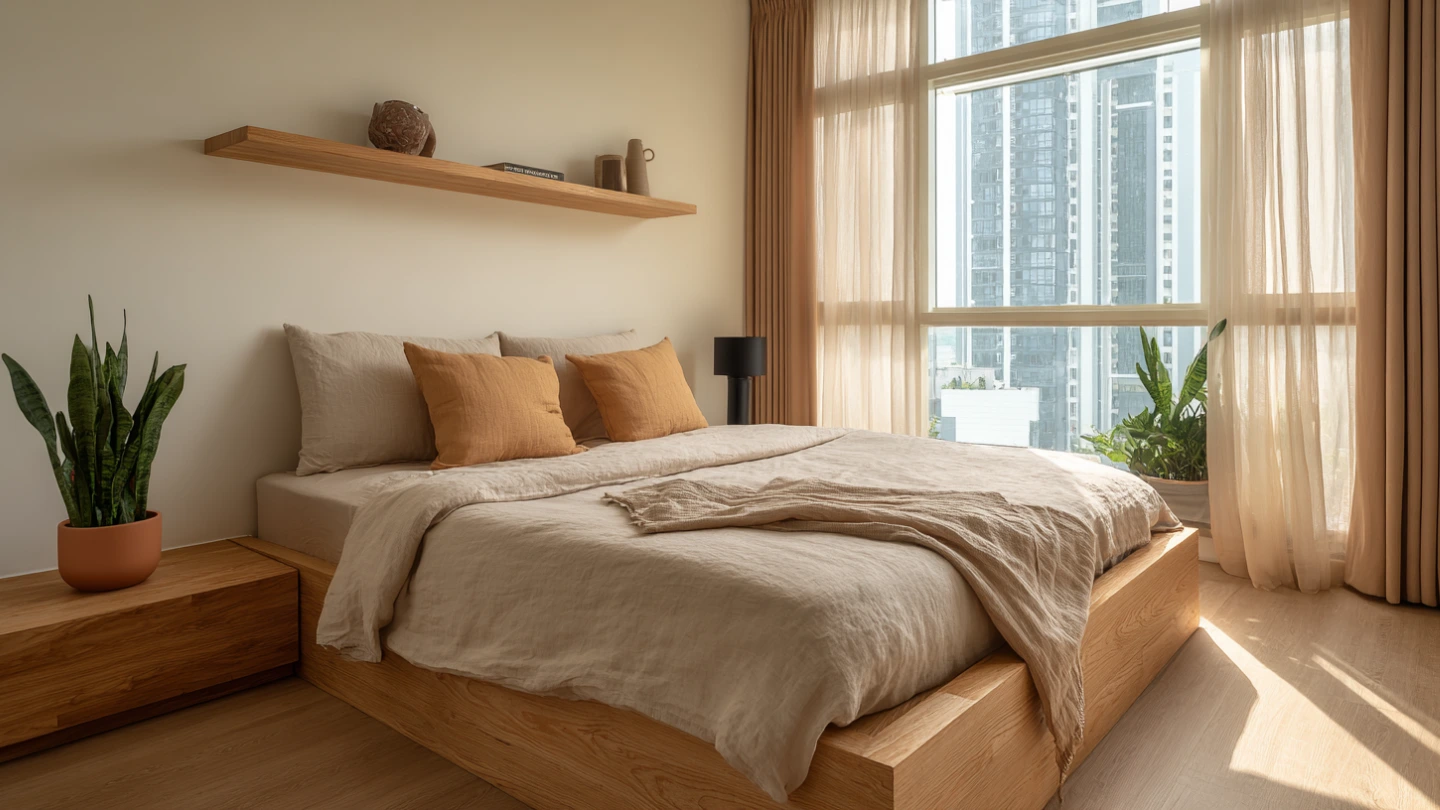
Japandi furniture is characterised by low profiles, clean lines, natural materials, and functional design. You don't need to import Muji pieces or visit high-end design boutiques to find these.
Budget-conscious options (RM 500–RM 2,000 per piece):
- Nitori Malaysia — Often called "the Japanese IKEA", Nitori carries beautifully minimal, quality timber furniture at very reasonable prices. Their low-profile bed frames, solid wood dining tables, and storage pieces are Japandi-ready out of the box.
- IKEA — The KALLAX, HEMNES, and STOCKHOLM ranges work well as Japandi foundations. Focus on the wood-toned finishes rather than the white or coloured variants.
- Local furniture shops — Furniture clusters in Shah Alam, Kepong, and Cheras often carry solid timber pieces at prices well below branded alternatives. Look for pieces in rubberwood (locally produced and very durable) or mango wood.
What to look for:
- Clean, straight or gently tapered legs (no ornate carved details)
- Solid wood or wood veneer over MDF for key pieces
- Neutral upholstery in linen, cotton, or boucle (avoid shiny or synthetic fabrics)
- Low or mid-height profiles (Japandi furniture sits closer to the ground)
What to avoid:
- Heavy, ornate hardware (swap existing hardware for matte black or brass pulls — a simple upgrade costing RM 5–RM 20 per handle)
- High-gloss lacquer finishes
- Overly soft or heavily padded silhouettes
Step 3: Layer in Natural Textures
Once your walls and key furniture are sorted, Japandi depth comes from layering natural textures. This is where you can spend very little and achieve a lot.
Affordable texture additions for Malaysian homes:
- Rattan or seagrass items — Malaysia has excellent rattan craftsmanship, and locally-made rattan baskets, trays, and pendant lights are significantly cheaper here than anywhere else. Pasar seni vendors, local craft stores, and platforms like Shopee Malaysia carry beautiful pieces from RM 30–RM 200.
- Linen or cotton cushion covers — Swap out synthetic cushion covers for natural fabric ones. Look for undyed, raw linen or subtle texture weaves. Mr. DIY and HomePro both carry affordable options; Shopee has an enormous selection from RM 15–RM 60 per cover.
- Woven rugs — A jute or seagrass rug grounds a living space beautifully. HomePro, IKEA (the LOHALS jute rug is a cult Japandi staple), and local online sellers offer options from RM 150–RM 500 for a standard living room size.
- Ceramic and earthenware pieces — A handful of simple ceramic bowls, a terracotta pot, or a handmade mug on an open shelf adds warmth without clutter. Weekend pasar markets and Shopee are excellent sources from RM 20–RM 80 per piece.
Step 4: Get Lighting Right
Japandi spaces use lighting to create warmth and intimacy, not brightness. This is one area where Malaysian homes often get things backwards — bright, cool-white LED downlights everywhere produce a clinical feel that's the opposite of Japandi.
Affordable Japandi lighting adjustments:
- Switch to warm-white bulbs — Replace cool or neutral LEDs with warm white (2700K–3000K). A single RM 15–RM 25 bulb swap can transform the mood of a room.
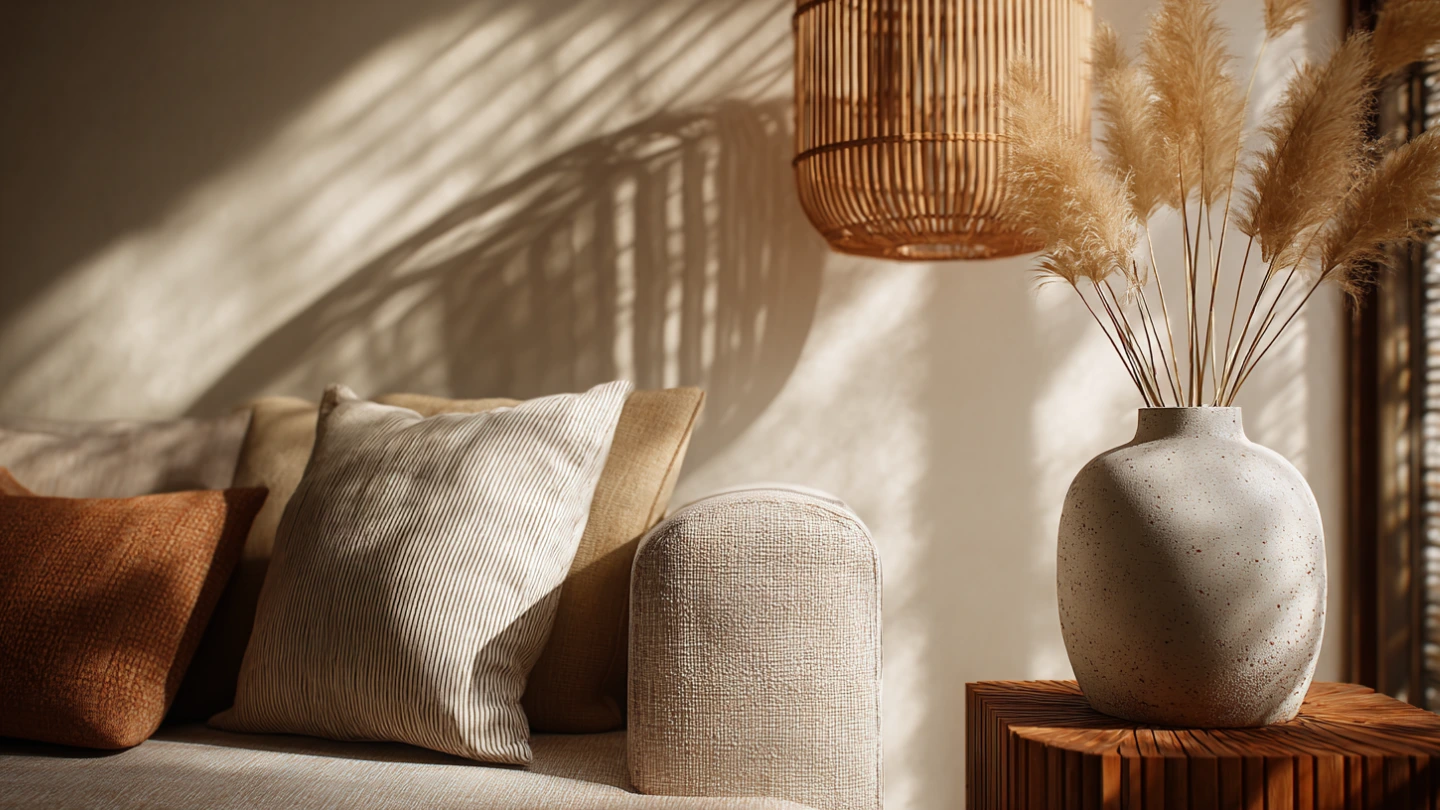
- Add a pendant light — A rattan or washi paper pendant over a dining table or reading nook is a signature Japandi move. Local rattan pendant lights are available from RM 80–RM 250 on Shopee or at lighting shops in Chow Kit and Kepong.
- Use floor lamps — A simple arc or tripod floor lamp in matte black or natural timber creates layered lighting. IKEA's HEKTAR and Nitori's floor lamp range are both Japandi-appropriate and affordable (RM 150–RM 400).
- Avoid: Recessed spotlights as the only source — If you can't change your existing downlights, supplement them with floor and table lamps on dimmers or smart plugs to create mood lighting in the evenings.
Step 5: Declutter Before You Decorate
This step is free — and it might be the most transformative thing you do.
Before spending a single ringgit on new pieces, do a full declutter of each room. Japandi spaces work because they contain only what is necessary and beautiful. Everything else creates visual noise that no amount of carefully chosen furniture can overcome.
A useful Japandi decluttering principle: for every new item you bring in, remove two. If a shelf looks busy, take things off until it feels calm — then consider if anything actually needs to go back.
In practical terms for Malaysian homes: shoe racks at the entryway, cable management in living spaces, and hidden storage for kitchen appliances make an enormous difference to how Japandi a space feels, without any renovation required.
Step 6: Add Greenery — The Right Way
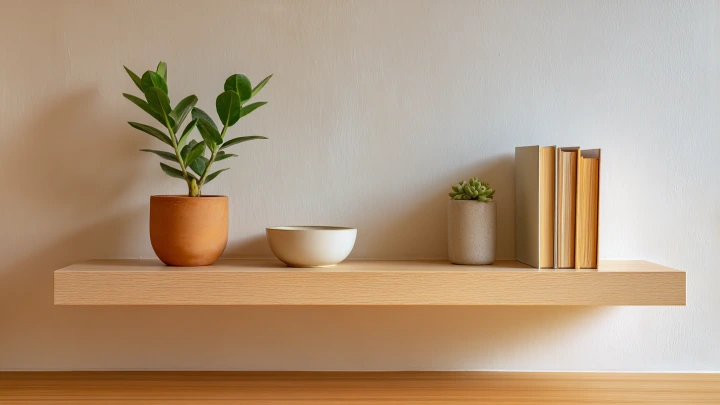
Japandi is not maximalist when it comes to plants. Resist the urge to fill every corner with greenery. Instead, choose one or two well-placed, healthy plants in ceramic or terracotta pots.
Best plant choices for Malaysian Japandi homes:
- Snake plant (Sansevieria) — Extremely low maintenance, handles our humidity and limited natural light well, and has a clean, architectural form. Available at most nurseries and Tesco for RM 15–RM 50.
- Monstera deliciosa — Bold, tropical, and sculptural. A single large monstera in a corner makes a dramatic statement. RM 30–RM 100 depending on size.
- ZZ plant — Thrives in low light, virtually indestructible, and has a naturally minimalist growth habit. RM 20–RM 60.
- Fiddle leaf fig — Visually stunning but requires more care. Best near a bright window. RM 50–RM 150.
Pot the plants in simple terracotta, matte white, or earthy ceramic pots. Avoid ornate or brightly coloured planters — they'll fight the Japandi aesthetic.
Room-by-Room Japandi Guide for Malaysian Homes
Living Room
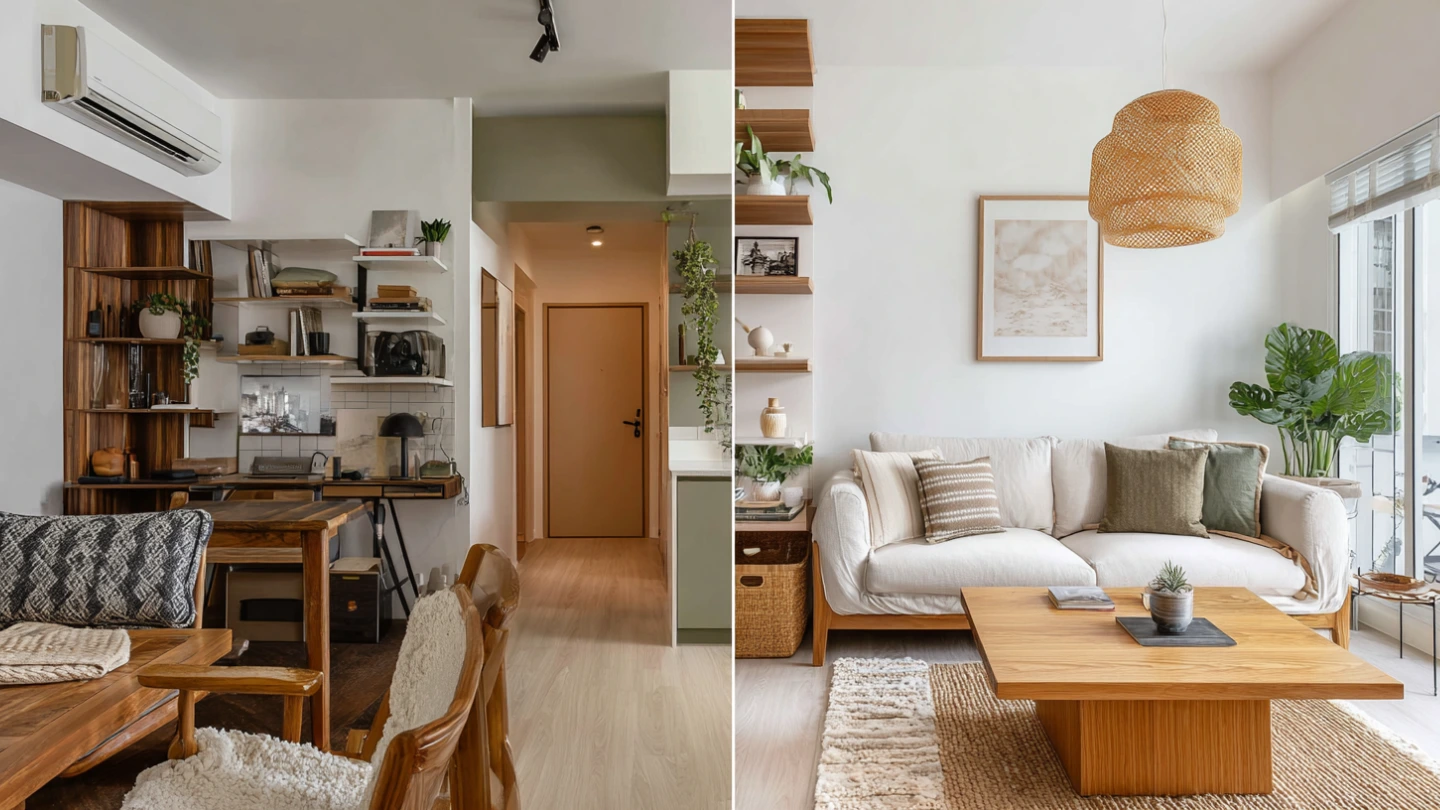
The living room is where Japandi makes the biggest visual impact. Keep the sofa simple — a low-profile, three-seater in linen or boucle works best. Add a timber coffee table (Nitori and IKEA both have excellent options under RM 800), a woven rug, and a single pendant or floor lamp. Limit decorative objects on the coffee table to two or three maximum.
Estimated transformation budget: RM 1,500–RM 4,000 (furniture refresh + paint + accessories)
Bedroom
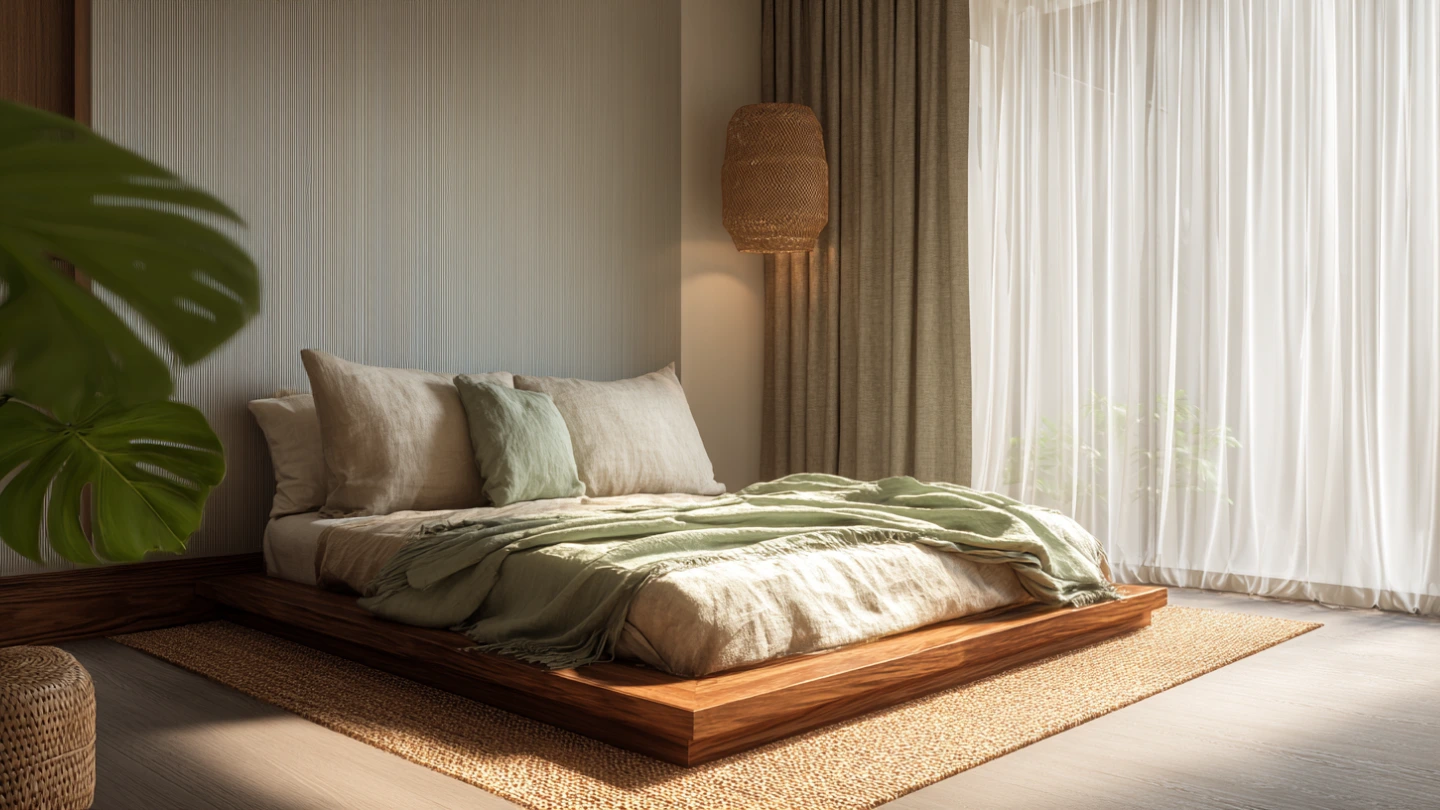
The Japandi bedroom prioritises rest above all else. A low platform bed frame in solid timber is the anchor piece — Nitori Malaysia carries beautiful options from RM 1,200–RM 2,500. Keep bedding in natural cotton or linen in warm white or muted sage. Remove all non-essential items from bedside tables. One plant, one small lamp, one meaningful object per surface.
Estimated transformation budget: RM 2,000–RM 5,000 (bed frame + bedding + accessories)
Kitchen & Dining
Malaysian kitchens present a unique challenge — our cooking style (heavy wok usage, strong aromas, high humidity) is the opposite of the serene Japandi ideal. The practical approach is to focus on the dry kitchen and dining area as your Japandi space, while keeping the wet kitchen purely functional.
For the dining area: a solid timber dining table with simple bench seating or chairs in natural rattan or moulded wood. Replace overhead fluorescent tubes with a rattan pendant or simple cluster of warm-white pendant lights.
Cabinet colour is a major Japandi lever — if you're doing a kitchen refresh, consider painting existing cabinets in charcoal, sage, or warm white using furniture-appropriate paint. This costs a fraction of full cabinet replacement.
Bathroom
Japandi bathrooms are about restraint: a clean white or terrazzo-effect tile, matte black or brushed gold tapware, and open wooden shelving with just a few ceramic containers. Even small changes — a bamboo bath mat, a simple ceramic soap dispenser, removing unnecessary bottles from counter surfaces — shift a bathroom significantly toward the Japandi ideal.
Budget Summary: What Does a Japandi Transformation Actually Cost?
| Scope | Estimated Budget |
|---|---|
| Accessories & styling only (no renovation) | RM 500 – RM 1,500 |
| Light refresh (paint + soft furnishings + accessories) | RM 2,000 – RM 5,000 |
| Moderate refresh (above + key furniture pieces) | RM 5,000 – RM 15,000 |
| Full room renovation (new cabinetry, fixtures, furniture) | RM 15,000 – RM 40,000+ |
The beauty of Japandi is that meaningful progress is possible at every budget level. Even the lowest tier — a declutter, a fresh coat of warm paint, two or three well-chosen accessories — produces a noticeable transformation.
Common Japandi Mistakes to Avoid
Going too cold or grey. Pure Scandinavian minimalism trends cool; pure Japandi trends warm. If your space starts feeling clinical or hospital-like, add warmer wood tones and warmer light.
Buying everything at once. Japandi rooms evolve slowly and intentionally. Buying an entire roomful of new furniture simultaneously often produces a "showroom" feel rather than a lived-in, personal space. Buy one or two key pieces, live with them, then add.
Neglecting storage. Japandi looks minimal because clutter is hidden, not eliminated. Invest in good closed storage — drawers, cabinets, baskets — so everyday items have a home out of sight.
Over-accessorising with "Japandi-looking" items. Pinterest boards full of stone coasters, minimal candles, and ceramic trays can lead to impulse purchases that collectively create the very clutter you're trying to avoid. Be selective. Buy one beautiful thing, not ten affordable imitations.
Final Thoughts: Japandi Is a Practice, Not a Purchase
The most liberating thing about Japandi is that it asks you to stop buying more than it asks you to start. The foundation is a mindset shift: calm over busy, quality over quantity, purpose over trend.
In the Malaysian context, that mindset pairs naturally with our growing awareness of sustainable living — buying less, choosing local materials, and investing in pieces that last rather than following fast furniture trends.
Whether your budget is RM 500 or RM 50,000, you can move meaningfully toward a Japandi home. Start small — a fresh coat of paint, a declutter weekend, one beautiful piece from Nitori or a local market. Let the space breathe. Then see what it tells you it needs next.
Ready to take the next step? Our team at Reka Interior offers free design consultations for homeowners looking to transform their space with intention. Book your free consultation here and let's build your Japandi home together.