
Planning a kitchen remodel in Malaysia can feel overwhelming—especially when you're juggling budget concerns, contractor timelines, and the unique challenges of our tropical climate. But here's the good news: with a solid, detailed plan in place, you can turn your dream kitchen into reality without the stress (or the surprise costs). Whether you're renovating a compact condo kitchen in KL or upgrading a double-storey terrace in PJ, a step-by-step approach will save you time, money, and headaches.
In this guide, we'll walk you through every stage of creating a comprehensive kitchen remodel plan—from setting your budget and measuring your space to choosing materials that can handle Malaysian humidity and coordinating with contractors. Let's dive in!
Why a Detailed Plan Matters for Malaysian Kitchen Renovations
Kitchens in Malaysia work hard. They're where we cook for family gatherings, host open houses during Raya, and sometimes even double as a drying area or storage hub. A well-planned renovation ensures your new kitchen isn't just beautiful—it's functional, durable, and tailored to how Malaysian families actually live.
Without a detailed plan, you risk:
- Budget blowouts from last-minute changes or unforeseen costs
- Delays caused by unclear timelines or miscommunication with contractors
- Poor material choices that don't hold up in our humid climate
- A layout that looks good but doesn't work for your daily routine
A detailed plan keeps you organised, informed, and in control—so you can focus on the exciting parts of your remodel.
Step 1: Set a Realistic Budget (and Stick to It)
Before you start browsing Pinterest boards or visiting showrooms, you need to know how much you can actually spend. Malaysian kitchen renovations vary widely in cost depending on size, materials, and scope.
Typical Budget Ranges for Malaysian Kitchen Remodels
- Basic refresh (RM10,000–RM20,000): Repainting cabinets, new laminate countertops, updated hardware, minor fixes
- Mid-range remodel (RM20,000–RM50,000): New cabinets, quartz or granite countertops, upgraded appliances, backsplash, basic lighting
- Full renovation (RM50,000–RM100,000+): Custom cabinetry, high-end stone surfaces, new layout, premium fixtures, professional design services
Pro tip: Set aside 10–15% of your budget as a contingency fund for unexpected issues like plumbing repairs, electrical upgrades, or structural surprises.

Where to Allocate Your Budget
- Cabinetry (30–40%): The biggest cost and visual impact
- Countertops (15–20%): Invest in durability—quartz countertop pricing in Malaysia ranges from RM180–RM350+ per square foot depending on brand and complexity
- Appliances (10–20%): Balance performance and energy efficiency
- Labour (20–30%): Don't skimp on skilled installers
- Fixtures & finishing (10–15%): Taps, lighting, handles, backsplash
Step 2: Assess Your Existing Kitchen Layout
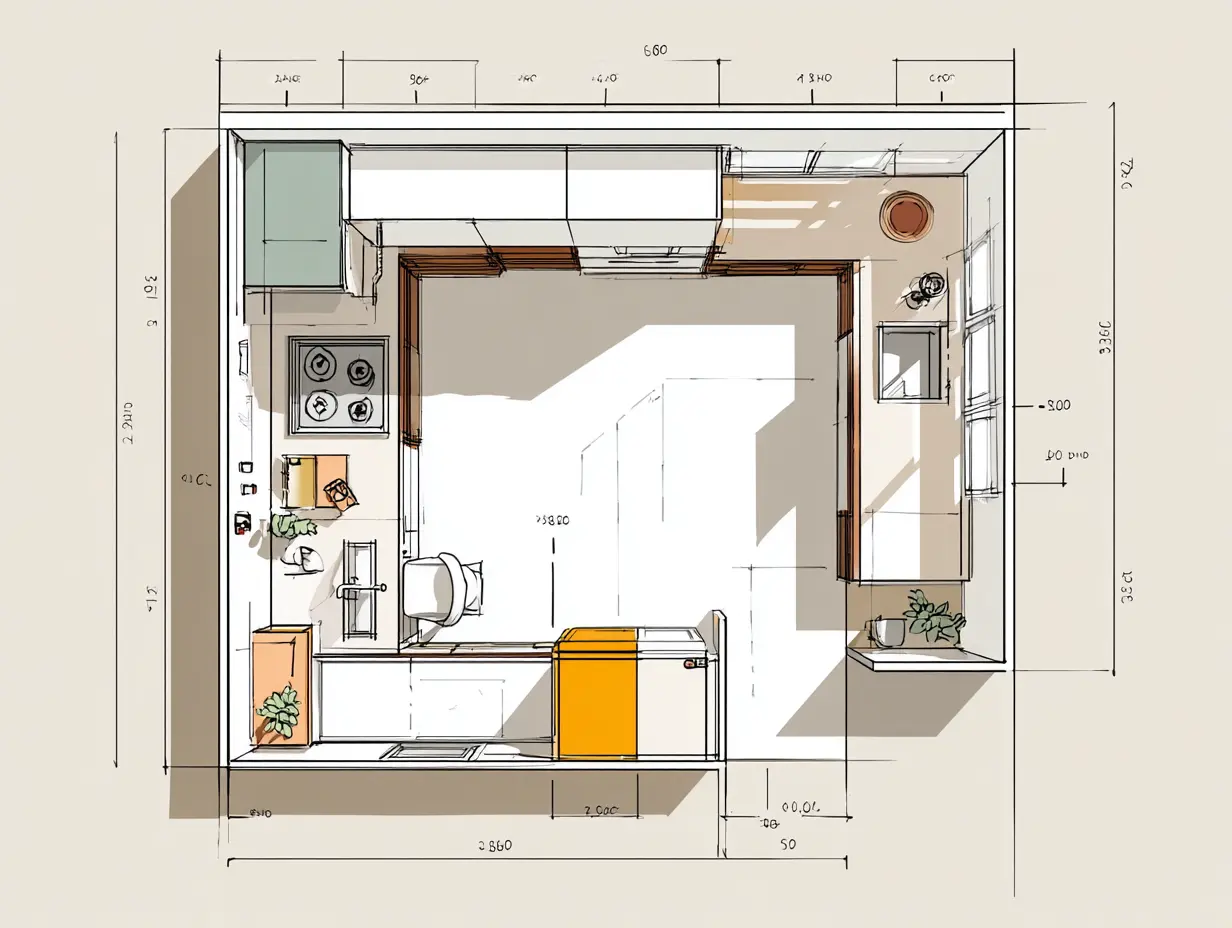
Before you dream up your ideal layout, you need to understand what you're working with. Grab a tape measure (or use a laser measure if you have one) and start documenting.
Key Measurements to Record
- Overall kitchen dimensions (length and width in feet and inches)
- Ceiling height (most Malaysian condos are 9–10 ft)
- Window and door locations, plus swing directions
- Existing plumbing points (sink, dishwasher, water filter)
- Electrical outlets, switches, and appliance power points
- Ventilation (hood exhaust, window, fan placement)
Sketch a rough floor plan—you don't need to be an architect, just accurate. Apps like MagicPlan or even a simple pen-and-paper grid can work.
Identify Problems with Your Current Layout
- Is the work triangle (sink-stove-fridge) too cramped or spread out?
- Do you have enough counter space for food prep?
- Is storage awkward or hard to reach?
- Does the layout make sense for how you cook (e.g., wet vs dry kitchen flow)?
Understanding these pain points will guide your new design.
Step 3: Define Your Kitchen's Purpose and Priorities
Not every kitchen needs to be the same. A family of five who loves hosting kenduri has different needs than a young couple who mostly eat out. Ask yourself:
- How often do you cook, and what kind of meals?
- Do you need space for baking, meal prep, or wet cooking?
- Will you entertain guests in the kitchen?
- Do you need a wet and dry kitchen setup?
- Is storage a major concern (e.g., small condo, lots of cookware)?
Your answers will shape everything—from cabinet depth to countertop overhang to lighting zones.
Step 4: Choose a Layout That Works
Malaysian homes come in all shapes and sizes, so your layout needs to fit your space and lifestyle. Here are the most common options:
Single-Wall Kitchen (Best for Studio/Small Condos)
All appliances, cabinets, and counters along one wall. Compact but efficient if planned well. Add a small island or rolling cart for extra prep space.
Galley Kitchen (Efficient for Narrow Spaces)
Two parallel walls with a walkway in between. Great for maximising storage and work zones in terrace houses or smaller condos.
L-Shaped Kitchen (Most Popular in Malaysian Homes)
Cabinets and counters along two adjoining walls. Offers good work triangle flow and room for a small dining area or island.
U-Shaped Kitchen (Maximum Storage and Counter Space)
Wraps around three walls. Ideal for larger kitchens in landed properties. Provides lots of counter space but can feel enclosed if not planned carefully.
Island or Peninsula Layout (Open-Plan Homes)
Adds a central work surface and can double as a breakfast bar. Works best if you have at least 100–120 sq ft of kitchen space and good clearance (3–4 ft) around the island.
Tip: If you're unsure, consult a kitchen designer or contractor who understands Malaysian home layouts.
Step 5: Select Durable, Climate-Appropriate Materials
Malaysia's heat and humidity are tough on kitchens. Your materials need to resist moisture, mould, and warping—while still looking good.
Cabinetry
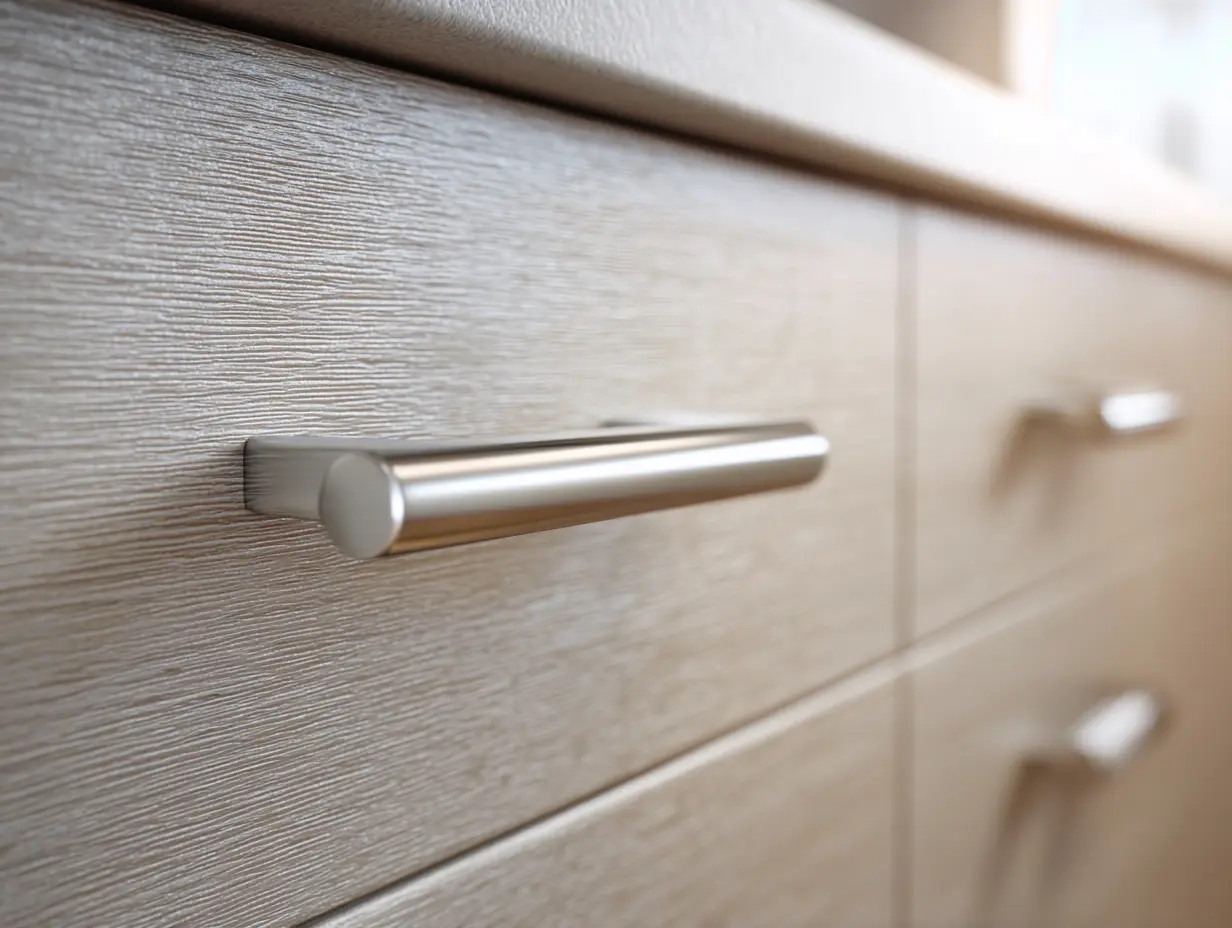
- Plywood (marine or moisture-resistant): More stable than MDF in humid climates
- Solid wood: Beautiful but requires sealing and maintenance
- High-pressure laminate (HPL): Budget-friendly, moisture-resistant, wide colour range
- Avoid: Standard MDF or particleboard without proper sealing—prone to swelling
Countertops
- Quartz: Non-porous, low-maintenance, heat-resistant—perfect for Malaysian kitchens. Brands like Caesarstone, Silestone, and Compac are widely available. Quartz countertop pricing in Malaysia typically ranges from RM180–RM350+ per sq ft.
- Granite: Natural, durable, heat-resistant, but needs periodic sealing
- Porcelain slabs: Scratch and stain-resistant, but ensure you choose countertop-grade vs wall-grade porcelain to avoid chipping on exposed edges
- Solid surface (Corian-style): Seamless and repairable, but less heat-resistant
- Avoid: Laminate in wet areas (prone to peeling); marble (etches and stains easily)

Backsplash
- Ceramic or porcelain tiles (budget-friendly, easy to clean)
- Glass tiles (sleek, modern, but pricier)
- Quartz or porcelain slabs (seamless, low-maintenance)
- Consider whether you do you need a backsplash?—in some cases, a full-height tile wall or upstand is enough
Flooring
- Porcelain or ceramic tiles (slip-resistant, durable, cool underfoot)
- Vinyl planks (budget-friendly, waterproof, softer to stand on)
- Avoid: Solid wood or laminate—prone to warping in wet kitchens
Step 6: Plan Your Lighting and Ventilation
Malaysian kitchens get hot and steamy—good lighting and airflow are essential.
Lighting Zones
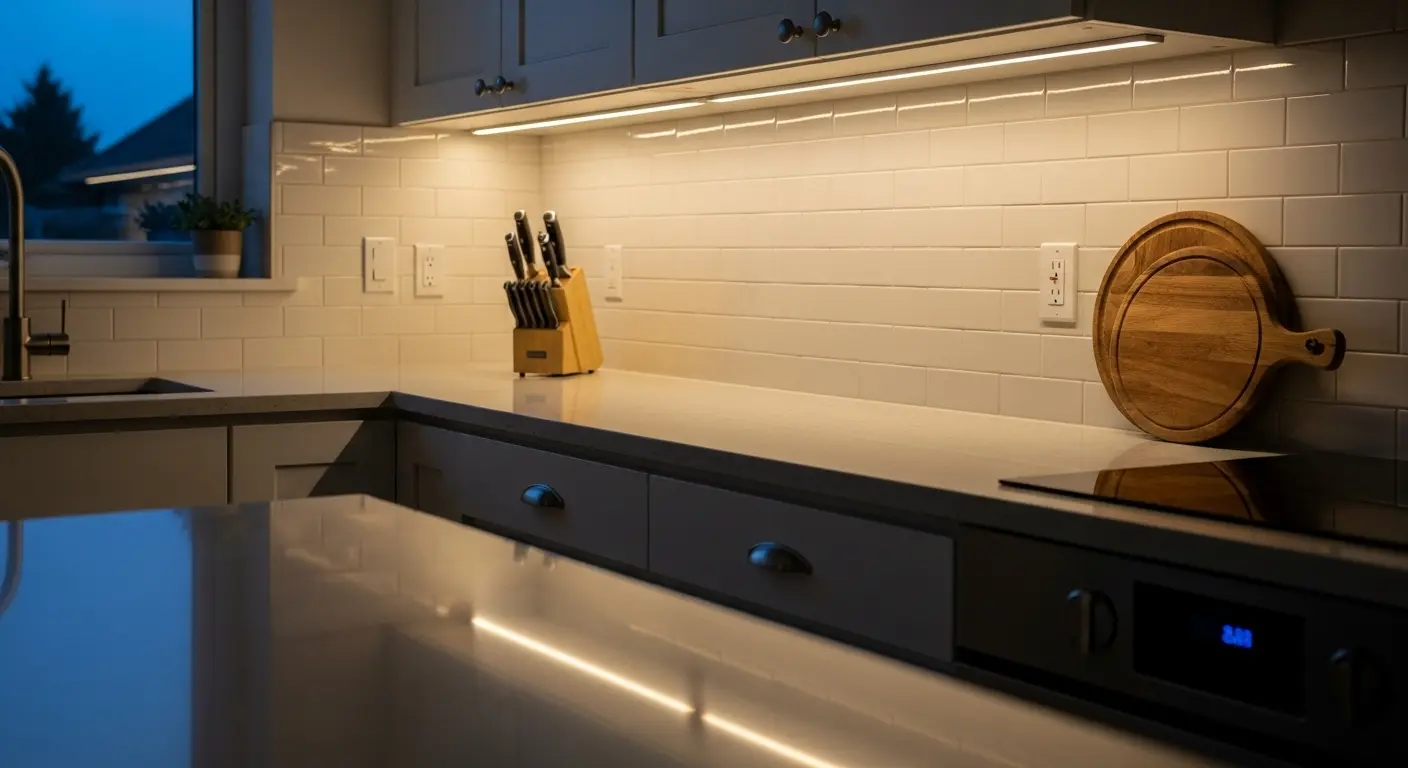
- Task lighting: Under-cabinet LED strips for prep areas
- Ambient lighting: Recessed downlights or surface-mounted ceiling lights
- Accent lighting: Pendant lights over an island or dining area
Pro tip: Choose LED bulbs (daylight or warm white) for energy efficiency and cooler operation.
Ventilation
- Install a range hood with sufficient CFM (cubic feet per minute) for your stove size
- If you have a wet kitchen, ensure good cross-ventilation with windows or an exhaust fan
- Consider a ceiling fan or standalone fan to keep air moving
Step 7: Create a Detailed Timeline
Kitchen renovations in Malaysia typically take 4–8 weeks, depending on complexity. Break your project into phases:
- Week 1: Demolition and removal of old fixtures
- Week 2–3: Plumbing and electrical rough-in, structural fixes
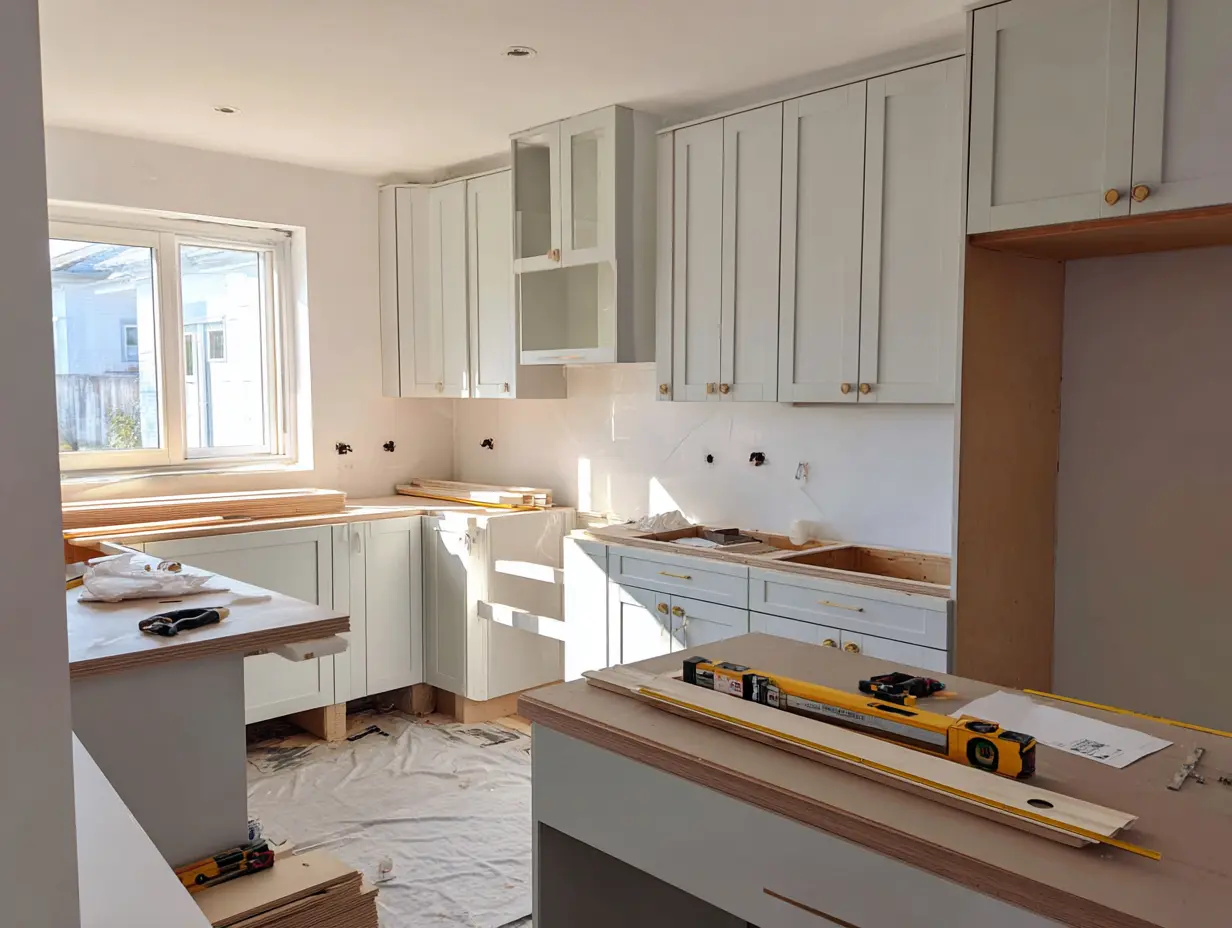
- Week 4–5: Cabinet installation, countertop templating and installation
- Week 6: Backsplash, flooring, painting
- Week 7: Appliance installation, lighting, final fixtures
- Week 8: Finishing touches, cleaning, inspection
Build in buffer time for delays (material delivery, weather, contractor schedules). Communicate regularly with your contractor to stay on track.
Step 8: Hire the Right Professionals
Unless you're very handy, you'll need help from:
- Kitchen designer or interior designer: For layout planning and material selection
- Contractor or renovation company: To manage the build and coordinate trades
- Plumber and electrician: For safe, code-compliant installations
- Countertop fabricator: For precise templating and installation of stone surfaces—how we fabricate and install stone surfaces ensures quality and durability
Get at least three quotes, check references, and clarify what's included (e.g., disposal, permits, warranties). A slightly higher upfront cost can save you from shoddy work and costly fixes later.
Step 9: Prepare for Life During Renovation
Living without a kitchen can be tough. Plan ahead:
- Set up a temporary cooking area (electric kettle, microwave, portable induction stove)
- Stock up on easy meals, or budget for eating out more often
- Protect other areas of your home with dust sheets and plastic barriers
- Communicate with family members (or neighbours in condos) about noise and mess
If you're staying elsewhere during the remodel, make sure contractors have clear access and contact details.
Step 10: Final Inspection and Touch-Ups
Before you sign off on the project:
- Test all appliances, plumbing, and electrical outlets
- Check cabinet doors and drawers for smooth operation
- Inspect countertops and backsplash for proper sealing and finish
- Ensure lighting is evenly distributed and switches are labelled
- Walk through with your contractor to address any snags
Take photos and keep all receipts, warranties, and care instructions in one place.
Conclusion: A Plan Today Saves Headaches Tomorrow
Creating a detailed kitchen remodel plan might feel like a lot of upfront work—but it's the single best way to avoid costly mistakes, delays, and regrets. By setting a clear budget, choosing climate-appropriate materials, planning a functional layout, and hiring the right team, you'll end up with a kitchen that works beautifully for your Malaysian lifestyle.
Ready to get started? Whether you're planning a simple refresh or a full renovation, taking it step by step will keep you on track—and help you enjoy the journey as much as the finished result.

Need help choosing the right countertop for your remodel? At Sinno Stone, we specialise in fabricating and installing premium quartz, granite, and porcelain surfaces for Malaysian homes. From templating to installation, we'll guide you through every step. Learn more about Sinno Stone and our services or get in touch for a free consultation.